Umuganda: Everything You Need to Know About Rwanda's Mandatory Community Work Day
Umuganda is a community work day that takes place every month in Rwanda. It brings citizens together to carry out works of general interest and public utility.
Umuganda is a community work day that takes place every month in Rwanda. It brings citizens together to carry out works of general interest and public utility. Enshrined in the Rwandan Constitution, it is a mandatory day: all individuals aged between 18 and 65 must participate under penalty of a fine. Discover what Umuganda entails and how this day has contributed to making Rwanda Africa's cleanest country.
What is Umuganda Day in Rwanda?
In Rwanda, there is a community practice that involves all citizens gathering once a month to carry out works of general interest: this is Umuganda. This community service day is mandatory and takes place across the entire country.
As for the meaning of Umuganda, the term can be translated from Kinyarwanda (Rwanda's national language) as "to gather for a common purpose to achieve a result".
What are the origins of Umuganda?
Umuganda has its roots in traditional Rwandan society. The practice existed before the colonial period and also represented a system of mutual aid within communities. It aimed to encourage citizen participation in national development. It was launched after independence in 1962 and became an official government program in 1974.
Umuganda took on a very different character during the Rwandan genocide. Indeed, Umuganda resembled forced labor rather than a community day, and the government used the tradition as a means of oppression and ethnic division by reinforcing Hutu power. As explained by the newspaper Le Monde:
"Chiefs took the opportunity to exercise their power over those they disliked. During the genocide, umuganda served as a pretext to accelerate massacres, a kind of competition meant to 'cut more weeds than the militias on the neighboring hill'."
At the time, the Rwandan Patriotic Front (RPF) had promised to abolish Umuganda, which it did after the genocide ended. It was not until the early 2000s that Umuganda was reestablished in Rwanda as a vector of eco-citizenship values, popular education policy, and a factor of social cohesion. This initiative was meant to bring communities together and address the labor shortage in a country in ruins, where the genocide claimed over 800,000 lives. Umuganda was finally enshrined in law in 2007 and has been mandatory for all since then.
What works of general interest are carried out during Umuganda?
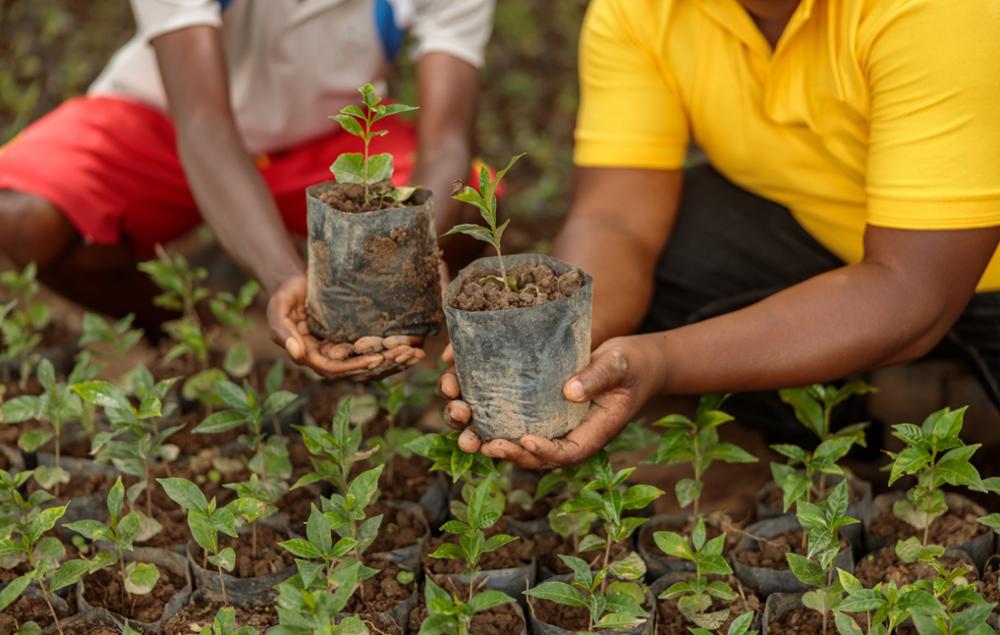
The activities proposed during Umuganda are all intended to serve the community through various projects of general interest. These can include:
Construction and renovation of public infrastructure and facilities (schools, bridges, roads, houses...);
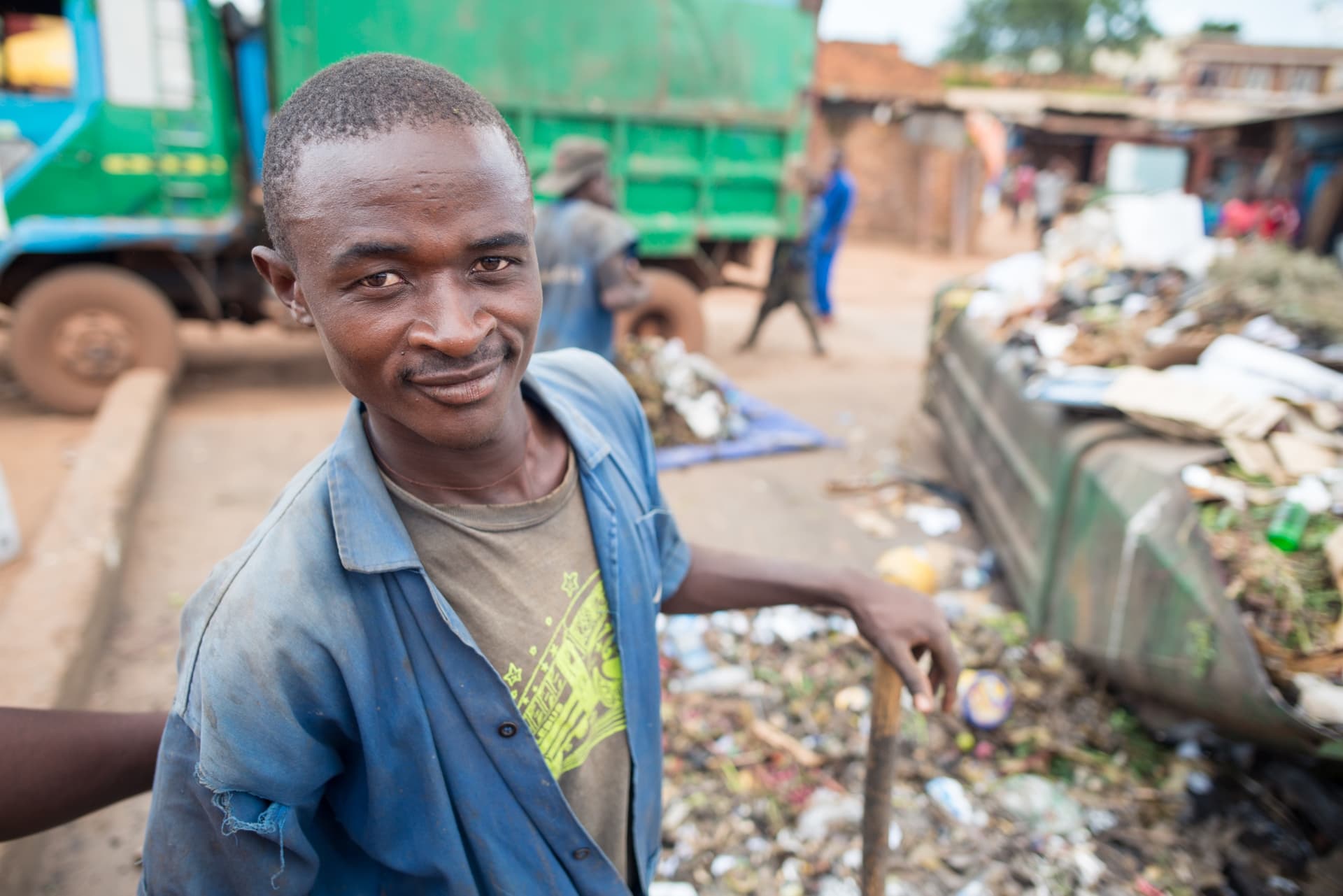
Cleaning public spaces (roads, gutters, parks, wells...);
Assistance to people in need or vulnerable individuals;
Grass cutting, pruning of trees and shrubs;
Tree planting;
Free medical examinations (provided by citizens in the medical profession, for example)...
Note that all actions undertaken during Umuganda are decided, at the local level, by a supervisory committee made up of elected officials on the basis of proposals from citizens. Local authorities may be asked to provide materials and tools to local populations.
Who participates in Umuganda? To what extent is it mandatory?
Umuganda is enshrined in the Rwandan Constitution: all Rwandan citizens aged 18 to 65 are obliged to participate every month. Even leaders and authorities take part in order to demonstrate a principle of exemplarity and to combat distinctions based on hierarchical position. Only individuals who are unable to participate (for medical reasons, for example) are authorized not to take part in this civic conscription program.
Ultimately, Umuganda is a manifestation of the principle of egalitarianism within communities. Non-compliance with Umuganda can be sanctioned by law. Indeed, unjustified absence can result in a fine of 1,000 to 5,000 RWF. Beyond the fine, non-participation in Umuganda can have social repercussions, as explained by Radjab Mbonyumuvunyi, mayor of Rwamagana district, in an interview with Le Monde.
According to him, failing to participate in community work could make the offender seem like "a coward, which is more serious than a fine", warns the mayor. They could also face blame at a public meeting and lose credibility.
According to a 2023 report commissioned by the Rwanda Governance Board, 95.7% of the population participates in Umuganda.
As for tourists passing through Rwanda during Umuganda, they are invited to participate in community work if they wish, although there are no penalties for non-participation by visitors and expatriates.
Good to know:
During Umuganda, traffic (including public transport) is significantly reduced, commercial activities are suspended, and activities that fall outside the scope of this community project are controlled. Plan your activities in advance and arrange your travel beforehand if you are visiting Rwanda at this time.
When does Umuganda take place in Rwanda?
Umuganda takes place every month throughout the country. It is held on the last Saturday of each month, from 8 a.m. to 11 a.m.
Umuganda: A Practice That Contributes to Making Rwanda Africa's Cleanest Country
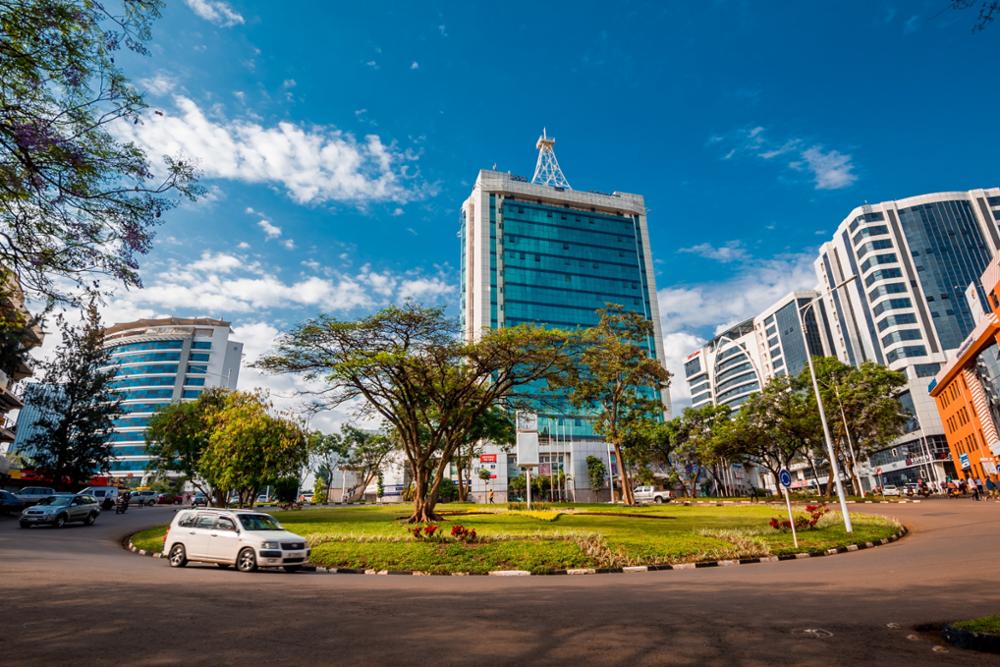
Despite its heavy past and tragic history, Rwanda has managed to make a 180-degree turn since the genocide. Indeed, the country can boast of being considered Africa's cleanest country. Along the roadsides, you rarely see plastic and other waste, roads are often very well maintained, and there are numerous green spaces in the country's cities, particularly in Kigali.
By mobilizing citizens to maintain and clean public spaces, Umuganda has largely contributed to this title of a green and clean country. In parallel, many measures have been put in place to make Rwanda a more ecological country. In 2008, for example, Rwanda became the first country in Africa to ban the use of plastic bags on its territory. Such projects have made Rwanda one of the greenest and safest countries in Africa. The UN even named Kigali as "Africa's best capital".
To learn more, discover why you should visit Rwanda on your next trip.
Frequently asked questions
Umuganda is a mandatory community work day that takes place on the last Saturday of each month in Rwanda, from 8 a.m. to 11 a.m. All Rwandan citizens aged 18 to 65 must participate to carry out works of general interest such as cleaning public spaces, building infrastructure, or planting trees.
No, tourists and expatriates are not subject to the legal obligation to participate in Umuganda. However, they are welcome if they wish to take part. Be aware that public transport is reduced and many businesses are closed in the morning during Umuganda (last Saturday of the month, from 8 a.m. to 11 a.m.). Plan your travel accordingly.
Umuganda takes place on the last Saturday of each month, from 8 a.m. to 11 a.m., throughout Rwanda. It is advisable for travelers to check the dates before planning their activities, as traffic and businesses are significantly affected during these hours.
In case of unjustified absence from Umuganda, Rwandan citizens are subject to a fine ranging from 1,000 to 5,000 RWF (Rwandan francs). Beyond the financial penalty, non-participation can also have social consequences, such as loss of credibility within the community.
Rwanda partly owes this title to Umuganda, which mobilizes citizens every month to maintain and clean public spaces. Added to this are other environmental measures, such as the ban on plastic bags since 2008, which have made Rwanda a model of sustainable development in Africa.
Umuganda has its roots in traditional Rwandan society, long before the colonial period. It became an official government program in 1974, before being suspended following the 1994 genocide. It was reestablished in the early 2000s as a tool for social cohesion and development, then enshrined in law in 2007.