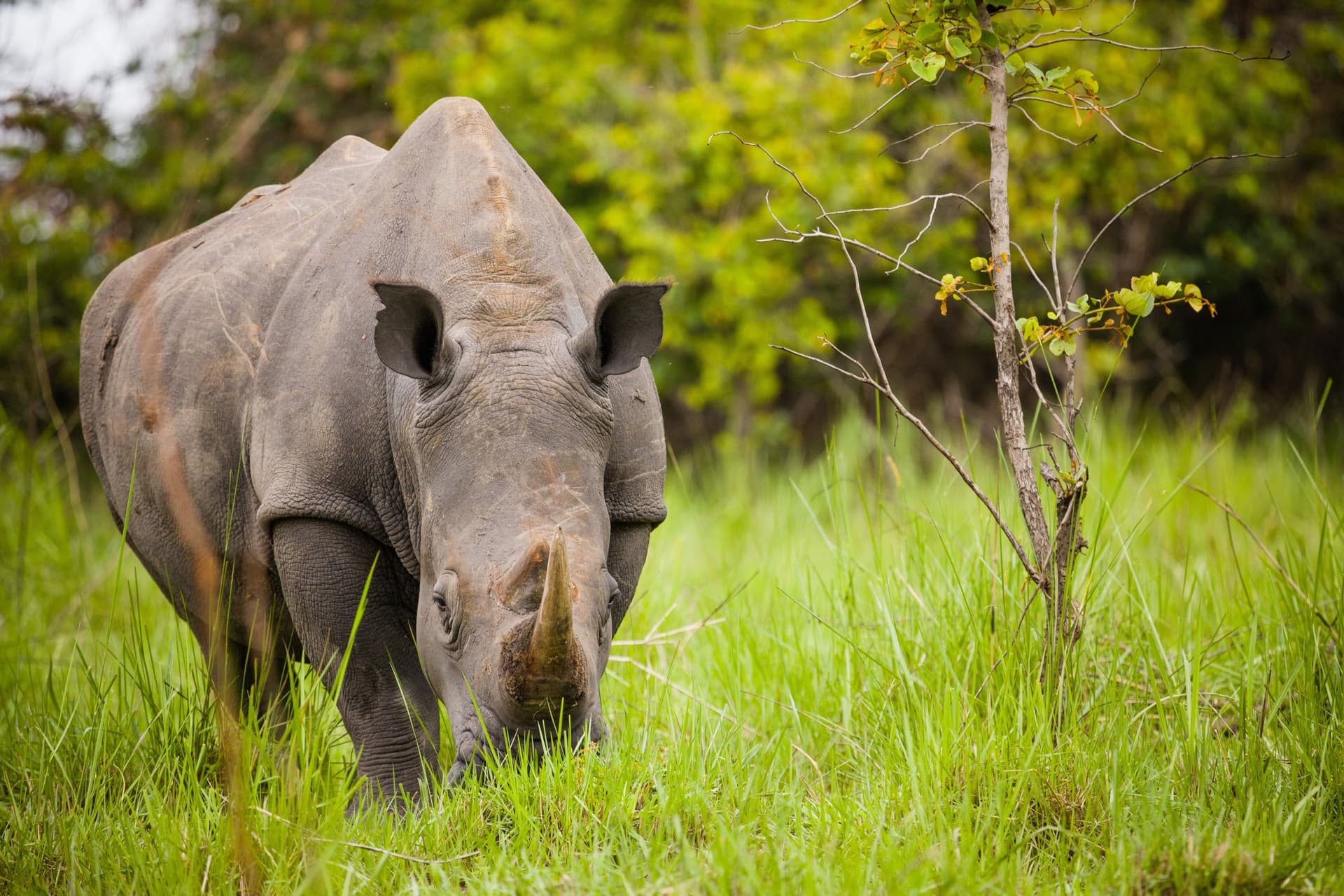
70 white rhinos have just been reintroduced to Akagera National Park
On June 10th, Rwanda accomplished a major undertaking: the translocation of 70 white rhinos from South Africa
On June 10th, Rwanda accomplished a major undertaking: the translocation of 70 white rhinos from South Africa to its renowned wildlife sanctuary, Akagera National Park.
Carried out as part of a historic conservation project executed by African Parks in partnership with the Rwanda Development Board, this reintroduction allows this endangered species to find refuge in an ultra-protected natural area. It also underscores the country's commitment to environmental protection and conservation.
70 white rhinos once again walk Rwandan soil
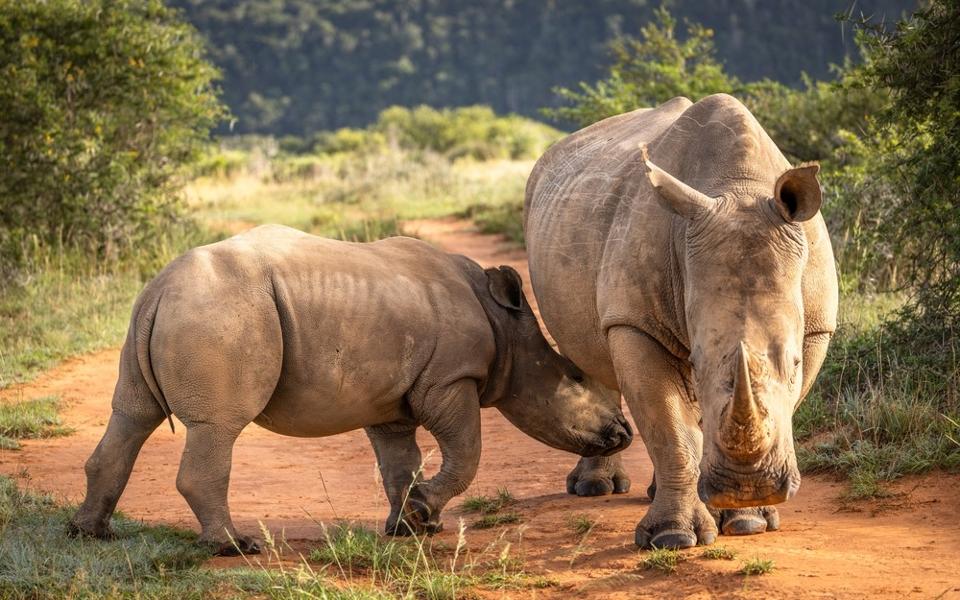
On June 10, 2025, 70 white rhinos were reintroduced to Akagera National Park, located in eastern Rwanda, on the border with Tanzania. Coming from South Africa, these gentle giants have returned to land once walked by their ancestors, in this wildlife sanctuary that has become a symbol of resilience and rebirth.
This translocation, carried out in partnership with the Rwanda Development Board (RDB), was made possible thanks to funding from the Howard G. Buffet Foundation. The transfer of these iconic African animals is part of the decade-long Rhino Rewild initiative, a 10-year program led by African Parks aimed at saving and reintroducing 2,000 rhinos into the wild, and restoring the habitats they need.
« African Parks, our partners, purchased a farm of 2,000 white rhinos in South Africa with the objective of reintroducing them over ten years. Thanks to our experience and especially our security measures, we were the first country selected. »
— Ladislas Ndahiriwe, General Manager of Akagera Management Company. «
A translocation project completed in two phases
The 70 rhinos, originating from South Africa, undertook a journey of 3,400 km. Fortunately, everything went smoothly.
The translocation took place in two stages:
The white rhinos were first placed in the Munywana reserve in South Africa, where they were exposed to natural diseases as well as climatic conditions similar to those of Akagera Park in Rwanda. This preliminary rewilding phase was essential to promote their adaptation and ensure the project's success.
The animals were then transported (in two groups of 35 individuals) by truck to King Shaka International Airport in South Africa, then by plane to Kigali. The journey concluded by road to Akagera National Park where they were first placed in bomas—temporary enclosures within the park where the rhinos could rest, acclimate to their new environment, and become established before being released into the wild.
Of course, the white rhinos were monitored by veterinary teams throughout the project. Today, they remain under close surveillance by experts who ensure their proper adaptation and well-being. Their behavior and health will be closely tracked for several weeks.
In total, the journey lasted nearly two days for each of the two groups.
More than 130 rhinos (black and white combined) now live in the park
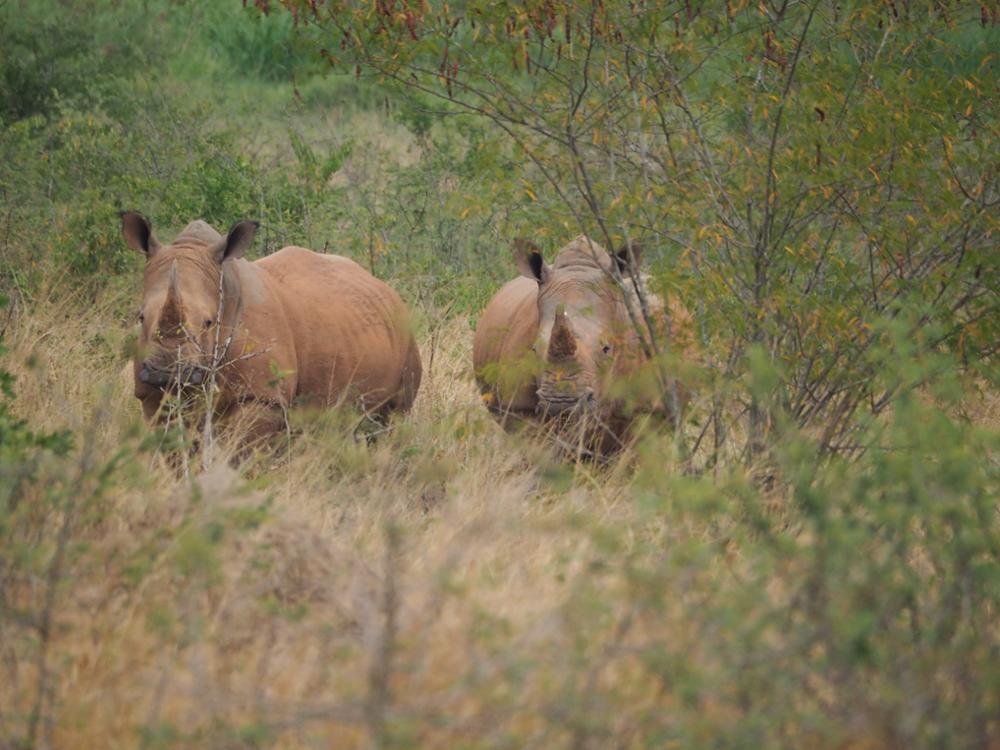
This is not the first time Akagera National Park has undertaken a rhino reintroduction operation (black and white) on its territory.
How many black rhinos are at Akagera?
The first rhino translocation to the park involved eastern black rhinos. After the species had been absent from the park for 10 years, the operation was carried out in 2017 with the reintroduction of 18 individuals from South Africa. A second translocation was completed in 2019 with the arrival of 5 individuals from European zoos. Since then, their numbers have increased, and there are now approximately 25 black rhinos, according to official park sources.
How many white rhinos are at Akagera?
Southern white rhinos were reintroduced to Akagera for the first time in November 2021. The operation resulted in the relocation of 30 individuals from South Africa. This was the largest white rhino translocation ever completed at that time. Since then, the animals have multiplied, and their numbers have grown to 41 individuals. With the translocation of 70 white rhinos in June 2025, the park now holds 111 white rhinos.
🌿 Good to know:
In total, Akagera National Park now counts 136 rhinos, combining black and white species. This is an exceptional figure considering that this endangered species had completely disappeared from the area in 2007, victims of intense poaching pressure as well as partial park destruction and the collapse of conservation institutions following the 1994 genocide.
From now on, Akagera ranks among the rarest and best places in Africa where one can see both black and white rhinos during a single safari.
Akagera, a model for wildlife conservation
Long marked by history, Akagera National Park now embodies a striking conservation victory in Africa. Devastated in the 1990s following the genocide, pillaged and deprived of its wildlife, it has managed to be reborn through rigorous governance and long-term vision. Despite its heavy past and the decline of its wildlife following the genocide, Akagera National Park can now boast being one of Rwanda's largest protected areas and one of the best-preserved treasures on the African continent.
Indeed, with the support of African Parks and the ongoing involvement of Rwandan authorities, the park has seen its animal population increase considerably since 2015 with the reintroduction of numerous species, including those of the famous Big 5. This has been made possible through numerous protection measures that ensure optimal safety for park species, such as the installation of a 24/7 monitored electric fence and the implementation of anti-poaching patrols.
Among other measures, we should also note the redistribution of tourism revenues to local populations to place local communities at the heart of the strategy. This system allows communities living around the park to benefit from infrastructure (schools, health centers, drinking water...) and thus ensures better coexistence between humans and wildlife.
« The latest reintroduction of white rhinos is a historic transfer that testifies to Rwanda's growing contribution to global conservation efforts. Our commitment to protecting endangered species is closely linked to our vision of sustainable tourism, where thriving wildlife and well-managed protected areas like Akagera National Park create long-term value for visitors and communities. »
— Jean-Guy Afrika, CEO of Rwanda Development Board
Ultimately, having come a long way, Akagera National Park has become a true African conservation model.
Discover our Rwanda travel itineraries including safaris at Akagera National Park:
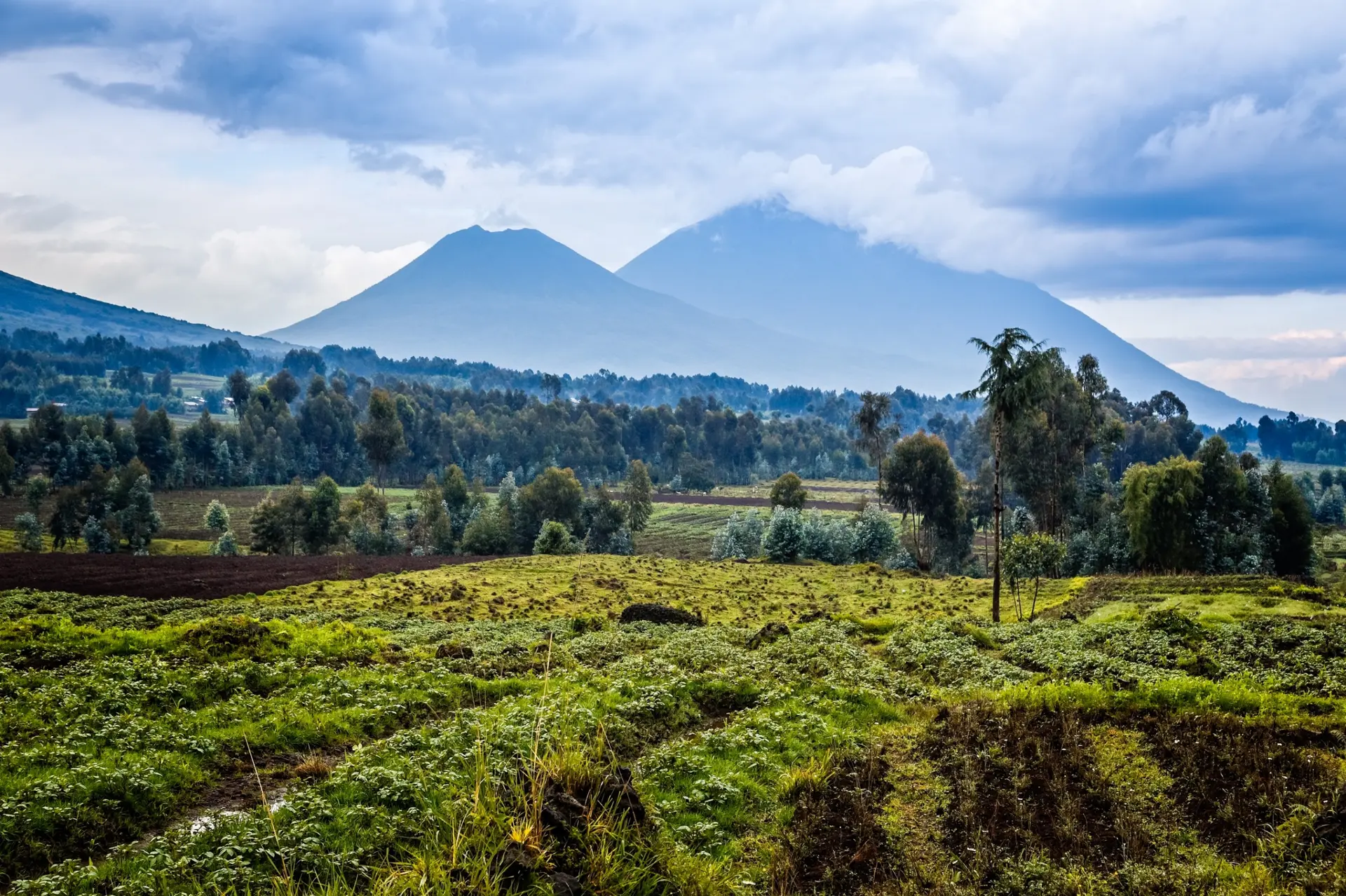
Rwanda safari itinerary: Land of a Thousand Hills
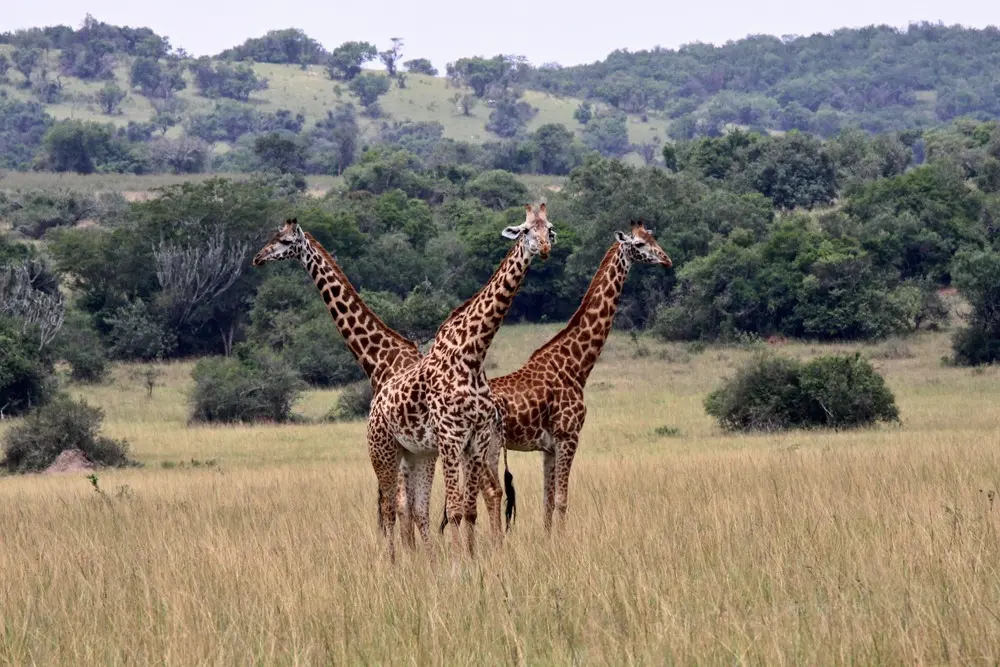
14 days in Rwanda - Adventure and Discovery Itinerary
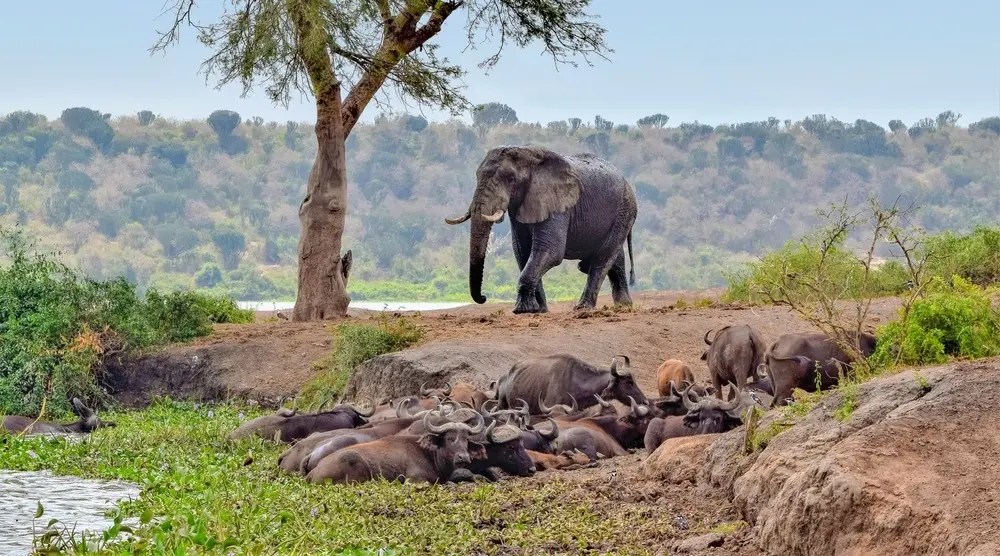
Uganda - Rwanda Stay: Safari in the Land of the Great Lakes
Frequently asked questions
Since the translocation of 70 white rhinos in June 2025, Akagera National Park is home to a total of 136 rhinos: approximately 25 eastern black rhinos and 111 southern white rhinos. This is one of the largest concentrations of rhinos in East Africa.
Yes, Akagera National Park is one of the rare places in Africa where it is possible to observe both black and white rhinos during a single safari. The park is located in eastern Rwanda, approximately 2.5 hours by road from Kigali, and is part of Rwanda's Big 5.
Rhino Rewild is a decade-long initiative launched by African Parks aimed at reintroducing 2,000 rhinos into the wild over 10 years. As part of this effort, African Parks acquired a white rhino farm in South Africa. Akagera Park in Rwanda was chosen as the first site to receive these animals, with an initial translocation of 70 rhinos in June 2025.
Rhinos completely disappeared from Akagera Park in 2007, victims of intense poaching and partial park destruction following the 1994 Rwandan genocide. The collapse of conservation institutions at that time left wildlife without adequate protection.
Despite their names, white and black rhinos have a similar color. The main difference lies in their diet and lip shape: the white rhino is a grazer (with a wide, flat lip for grazing) while the black rhino is a browser (with a pointed, prehensile lip for grasping leaves and twigs). The white rhino is also generally larger and more docile.