Practical information Rwanda
Our team based in Kigali brings together here everything essential to prepare your trip to Rwanda without any surprises. The visa is now obtained on arrival at Kigali airport (Kanombe) for 50 USD, or online via Irembo before departure, valid for 30 days. Yellow fever is required if you arrive from an endemic country, and we recommend up-to-date universal vaccines, hepatitis A, typhoid and antimalarial for Akagera and Kivu (Kigali and the Virunga are at altitude, lower risk). Budget-wise, plan for between 250 and 450 euros per day per person excluding international flights and gorilla permits, the latter costing 1,500 USD per person per trek, non-negotiable. The Rwandan franc (RWF) circulates everywhere, 1 EUR is worth approximately 1,400 RWF, and Visa cards work in hotels, lodges and major petrol stations in Kigali. The climate is divided into two dry seasons (June-September and December-February) and two rainy seasons, the former being most favorable for trekking. The main roads are paved and in good condition, making transfers comfortable, but distances are deceptive: 3 hours to Musanze, 5-6 hours to Nyungwe. Charles and our team brief you on arrival about local customs, safety (Rwanda is one of Africa's safest countries), very good 4G connectivity, the total ban on plastic bags and respect for strict park rules.
Plan your trip by theme
Explore our practical guides organized by category to quickly find the information you need.
Before You Go
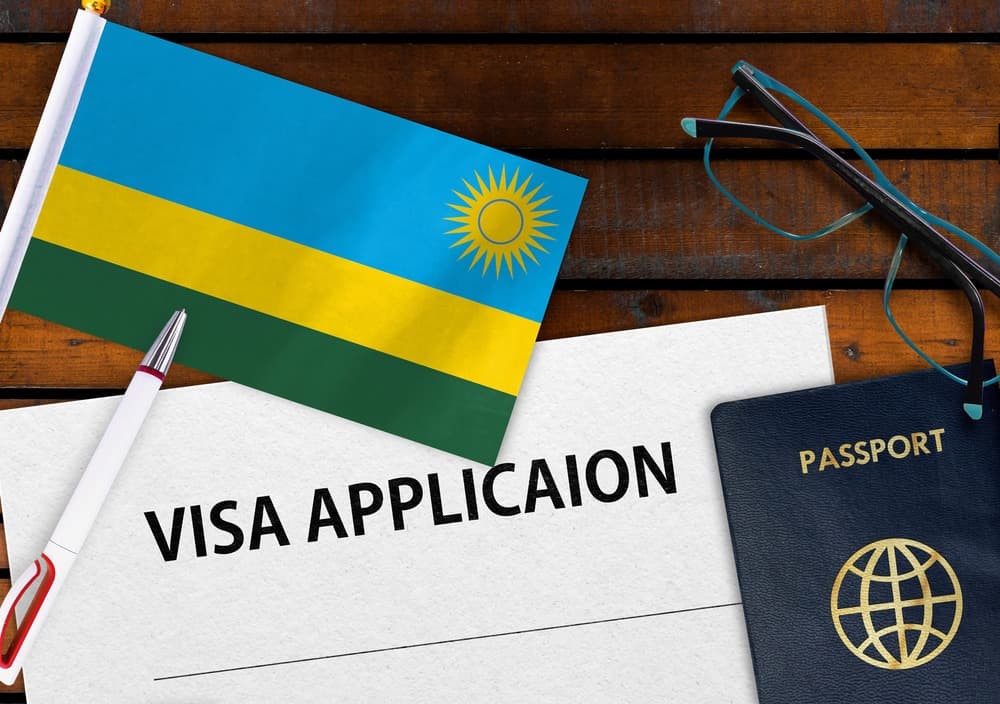
Visa on arrival or e-visa Irembo, passport valid for 6 months, recommended vaccinations, travel insurance to arrange before departure to Rwanda.
2 articles
Budget Money
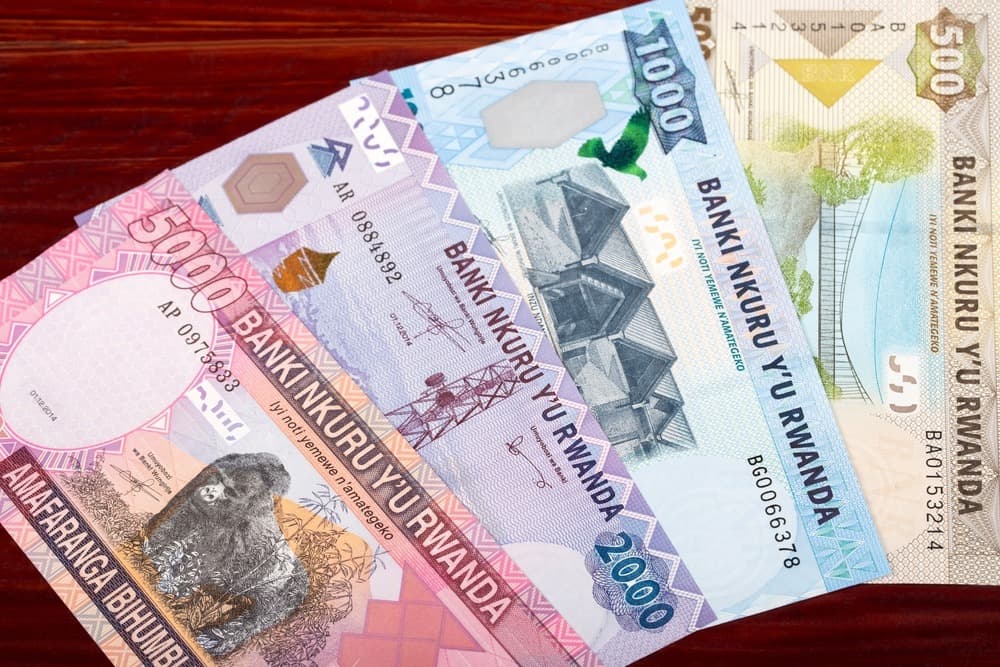
Rwandan franc, 1 EUR for approximately 1,400 RWF, budget 250-450 €/day, Visa cards accepted, moderate tips appreciated but not expected.
1 article
Climate Season
Two dry seasons (June–September, December–February), two rainy seasons, mild temperatures at 1,500–2,500 m, specificities according to Virunga, Kivu and Akagera.
1 article
Transports
Well-maintained paved roads, car with driver recommended, no regular domestic flights, transfers of 2 to 6 hours depending on the regions.
1 article
Culture
Respectful greetings, proper dress code required, plastic bags prohibited, Umuganda day on the last Saturday, genocide memorial to be respected.
1 article
Useful Tips
High security, tap water to avoid, Type C/J plugs at 230V, decent 4G coverage nationwide, advice from our on-site team.
2 articlesAll practical guides
Search and filter among 8 articles

8 of 8 results
Frequently asked questions
The answers to the most frequently asked questions from our travellers.
Yes, but obtaining one is straightforward. All travelers receive a 30-day tourist visa on arrival at Kigali International Airport for 50 USD, payable in cash or by card. You can also apply online before departure via the Irembo platform, which speeds up immigration clearance. Your passport must be valid for at least 6 months after your return date and have at least one blank page. No invitation letter is required for tourism. For stays longer than 30 days, an extension can be obtained at the immigration office in Kigali. Our team will assist you with all the necessary procedures.
The only mandatory vaccine is yellow fever, required only if you arrive from a country where the disease is endemic. However, we recommend staying up to date with routine vaccines (DTP, MMR), and considering hepatitis A, hepatitis B, typhoid and rabies based on your profile. Malaria is present mainly in low-lying areas such as Akagera and the shores of Lake Kivu, less so in Kigali and in the Virunga at altitude. Antimalarial treatment (Malarone most often) is advised. Consult a travel medicine center 4 to 6 weeks before departure to adapt the protocol to your itinerary.
Rwanda is not an economical destination. Excluding international flights, expect between 250 and 450 euros per day per person based on two travelers, in comfortable lodges with private vehicle and driver. The biggest expense is the gorilla permit, fixed at 1,500 USD per person per trek, non-negotiable. The chimpanzee permit at Nyungwe costs 250 USD, entry to Akagera 100 USD per day. A meal in a good restaurant in Kigali costs 15-25 euros, a local beer (Primus, Mützig) 2 euros. Luxury lodges near the Virunga often exceed 700 euros per night.
Rwanda can be visited year-round, but the two dry seasons are the most comfortable. The long dry season runs from June to mid-September—this is our preferred period for gorilla trekking, as trails are less slippery and temperatures more stable. The short dry season, from mid-December to February, also works very well. The rains from March to May are the most intense, with some lodges closing, but the vegetation is lush and rates drop. October-November brings brief showers without disrupting activities. For Akagera, the end of the dry season concentrates wildlife around water points.
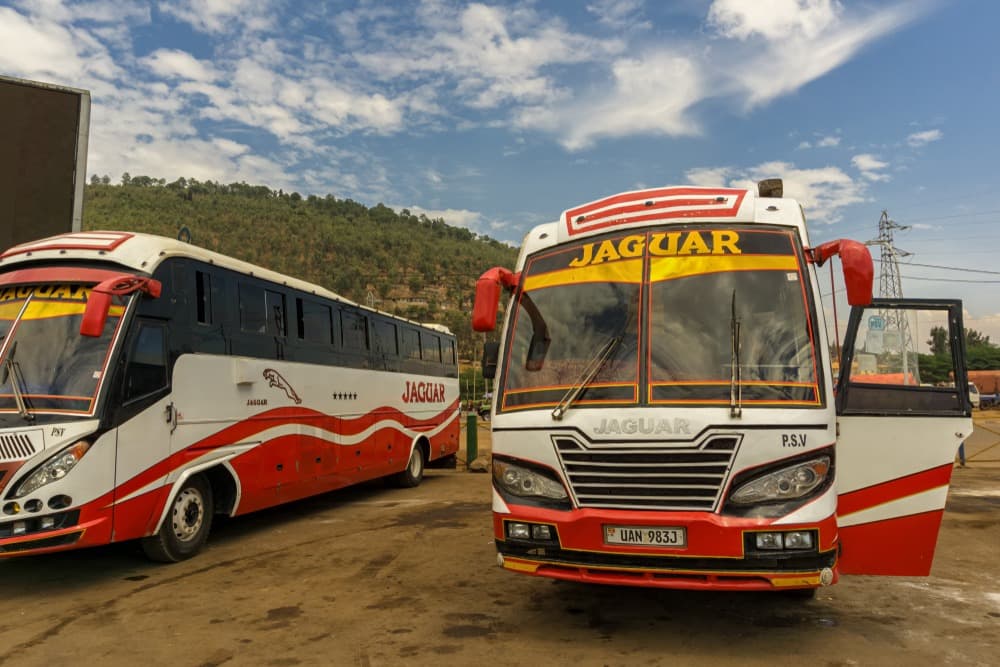
Rwanda's road network is remarkably well maintained: the main routes connecting Kigali to Musanze, Lake Kivu, Nyungwe and Akagera are paved and in good condition. We work exclusively with English-speaking drivers, the most flexible and safest option. Distances may look short on the map but roads wind through the hills: 2.5 hours to Akagera, 3 hours to Musanze, 5-6 hours to Nyungwe. There are no regular domestic flights. Buses run between major cities but don't serve the parks. Motorcycle taxis operate in town with mandatory helmets.
Rwanda is among the safest countries in Africa. Crime is low, police presence is visible, and Kigali can be explored on foot without particular concern, including in the evenings in popular neighborhoods like Kimihurura or Nyarutarama. Security checks are strict but courteous. Plastic bags have been banned since 2008, so remember to remove them from your luggage before arrival. In the parks, follow the rangers' instructions, particularly maintaining a 7-meter distance from the gorillas. The border with the DRC in the far west requires occasional vigilance, and we adjust itineraries accordingly. Our team remains available 24/7 throughout your stay.
Ready to travel to in Rwanda?
Discover our tailor-made itineraries, designed by our local team. Each route adapts to your pace, your preferences and your travel season.
See our toursWe use cookies to improve your experience and measure our site's audience. You can choose what you accept. Learn more.