Kigali
Kigali
The green and serene capital of Rwanda, Kigali unfolds between memory, contemporary art, colorful markets and panoramic hillsides. Our complete guide.
Capital and vibrant heart of Rwanda, Kigali is a city that embodies history, resilience, and modernity all at once. Since its founding in 1907, it has evolved into not only the economic and political center of the country, but also a city of regional significance in East Africa. Located in the center of Rwanda, Kigali stands as an example of rapid development in a context of reconstruction following one of the darkest chapters in the country's history—the 1994 genocide. Whether for its economic development, environmental commitment, or tourism appeal, Kigali is a city worth knowing and exploring.
History
Kigali was founded by German explorer and administrator Richard Kandt in 1907, when Rwanda was under German rule between 1899 and 1916. At that time, the locality was merely a small administrative center in the mountainous region. Years later, Belgium took over the country's administration. It wasn't until 1962, after gaining independence, that Kigali officially became the capital of the country.
Moreover, modern Kigali's history is inseparable from the 1994 genocide. Between April and July of that year, more than 800,000 to one million people, primarily Tutsi, were massacred by Hutu extremists. Kigali, like the rest of the country, was profoundly affected by this tragedy. Today, the city is home to the Kigali Genocide Memorial (inaugurated in 2004), a place of remembrance dedicated to the victims of this terrible event. This site, which attracts numerous visitors, plays a central role in educating about this dark period and in the process of national reconciliation.
By Air
Airplane is the most practical and fastest way to reach Kigali, especially for international travelers. Kigali International Airport (KGL) is located approximately 10 km from the city center. Furthermore, Kigali is also working on the construction of a new international airport, Bugesera Airport, which will be one of the largest in the region.
By Private Car or Taxi
It is possible to reach Kigali by private car or taxi from neighboring countries, such as Uganda, Tanzania, Burundi, and the Democratic Republic of Congo. However, it is essential to ensure that the vehicle used is well-equipped for long journeys. It is also important to have the necessary documents, notably a carnet de passage en douane, and to check visa or authorization requirements for crossing the border.
By Long-Distance Bus
Bus travel is an economical option for reaching Kigali from major cities in East Africa. Indeed, several international bus companies operate routes between Rwanda's capital and other regional cities such as Kampala, Nairobi, and Dar es Salaam.
Kigali Today
Despite the devastation of the past, Kigali has rebuilt itself with impressive speed. Currently, it is recognized as one of the cleanest and safest cities in Africa. Furthermore, the capital is known for its strict ban on plastic bags, a measure implemented as early as 2008, well before many other countries adopted similar policies.
The Rwandan government's commitment to sustainable development and orderly urbanization has been praised internationally. The "Kigali Green City Project," for example, aims to make Kigali a model city in terms of environmental sustainability. The capital also encourages the use of renewable energy and develops environmentally responsible housing projects. Rwanda's "Vision 2050" program places Kigali at the center of efforts to become a green and prosperous model city by mid-century.
Moreover, Kigali has also become a dynamic economic hub in East Africa. Thanks to its strategic geographic location and the government's pro-business policies, it is increasingly attracting foreign investment. Rwanda has simplified business creation, and Kigali, as the capital, benefits from these reforms. As a result, many multinational corporations and startups choose the city as their base for operations in sub-Saharan Africa.
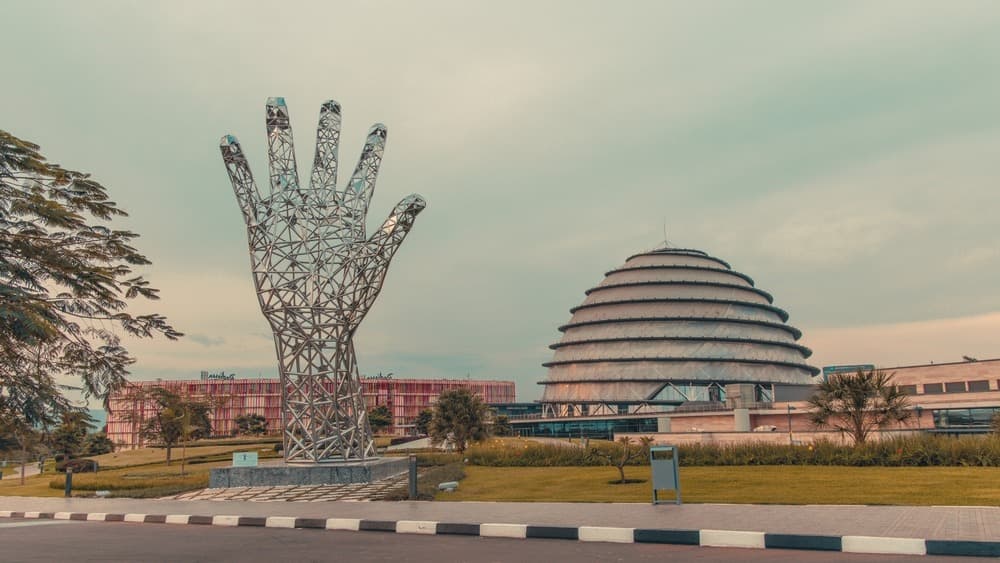
Kigali is experiencing rapid growth, marked by the creation of new shopping centers, multiple office buildings, and more. The convention center is also an interesting structure that illuminates the night sky from one of the surrounding hills. The central business district is developing on Nyarugenge Hill, while the main government administrations and institutions are concentrated to the east on Kacyiru Hill.
Motorcycle Taxi and Taxi
Motorcycle taxis are the most popular transport within the city. Fast, affordable, and omnipresent, they make it easy to navigate the city, even in areas where traffic can be dense.
Four-wheeled taxis are another common option for getting around Kigali, especially if you're traveling in a group or prefer more comfortable transportation. Often colored white with a yellow stripe on the side, you can find them at taxi stands near shopping centers, hotels, or bus stations.
Public Buses and Minibuses
Kigali's system of public buses and minibuses is well-developed, with regular routes covering most neighborhoods of the city and connections to other towns in the country.
Car Rental
For those preferring greater flexibility, renting a car is a practical option for getting around Kigali and exploring its surroundings. Local and international car rental agencies, with or without a driver, are available throughout the city, notably at the airport and in tourist areas.
Attractions and Activities
Hiking
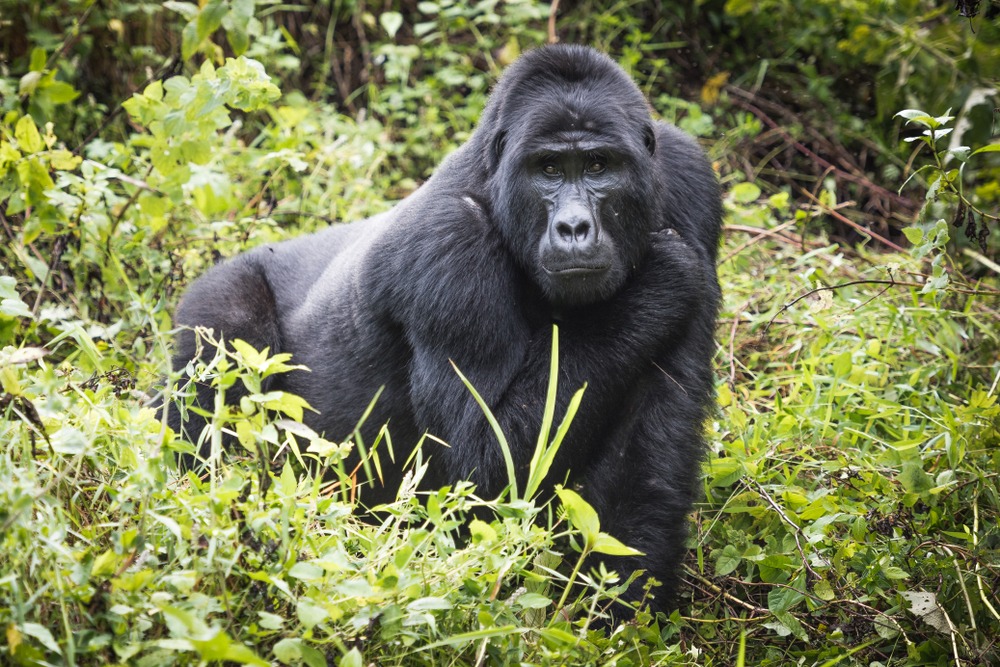
While Rwanda is often associated with the mountain gorillas of Volcanoes National Park, Kigali is increasingly becoming a destination favored by tourists in its own right. Hikes in the areas surrounding the city offer a unique experience for admiring verdant hills and panoramic landscapes.
Presidential Palace Museum
This museum was the residence of former Rwandan President Juvénal Habyarimana from 1973 to 1994. Outside, you can see the remains of his downed private aircraft. Inside, various exhibitions are displayed, such as:
- Original furniture and carpets
- The president's office
- A table with elephant feet
You will also notice unique spaces including:
- A witchcraft consultation room
- A small Catholic chapel
- A swimming pool shaped like Rwanda, designed for the president's pet python (measuring 8 meters).
Kandt House Museum
Part of one of Rwanda's national museums, this is the home of Richard Kandt, the city's founder. The exhibitions displayed allow visitors to learn more about the country's history. Indeed, visitors will discover Rwanda's cultural and political life before Europeans arrived as well as during the colonial period. This museum also helps one understand how the country has conceived its identity since independence.
Local Markets
For those considering shopping, visiting local markets, such as Kimikironko or Nyamirombo, is an excellent idea. You can see colorful stalls and stands where merchants sell various local products including:
- Local crafts
- Spices
- Fish
- Meat
- Fruits
Visiting Kigali's markets is also an opportunity to purchase souvenirs such as:
- Hand-woven baskets (Ageseke)
- Jewelry
- Bags
- Local fabrics (Kitenge)
- Wall decorations (small shields, wooden musical instruments)
Nyamirambo Women's Center
The Nyamirambo Women's Center offers guided tours to discover the city's history and culture. Created in 2007, this association provides free training to women, including English and computer courses. It also facilitates professional integration through craft and tourism activities.
Inema Art Center
The Inema Art Center is a dynamic artistic space where local artists display their contemporary works. Visitors can purchase paintings and sculptures. Various events are also organized each week to showcase the work of Rwandan artists.
Kigali Convention Center
Kigali continues to modernize, with new infrastructure projects transforming its urban landscape. The Kigali Convention Center, with its emblematic dome illuminated at night, is a symbol of the city's renewal. It regularly hosts international conferences, economic and cultural events, reinforcing Kigali's role as a global city in Africa.
Attractions in Kigali
Mbyo, village de réconciliation
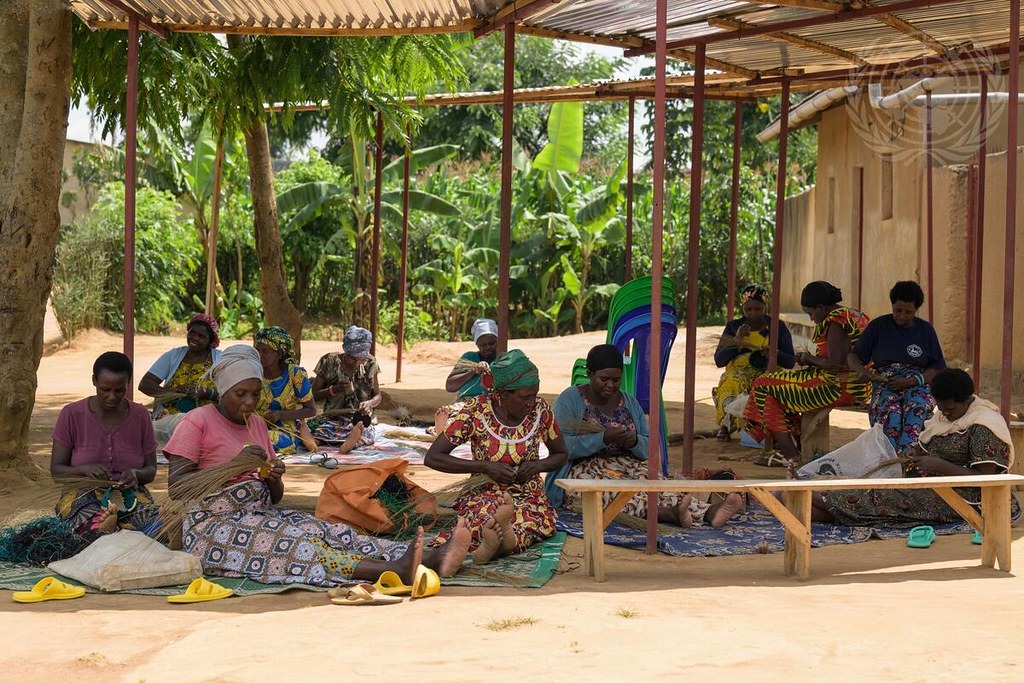
Au sud de Kigali, le village de Mbyo réunit survivants tutsis et anciens bourreaux hutus dans une expérience unique de cohabitation post-génocide.
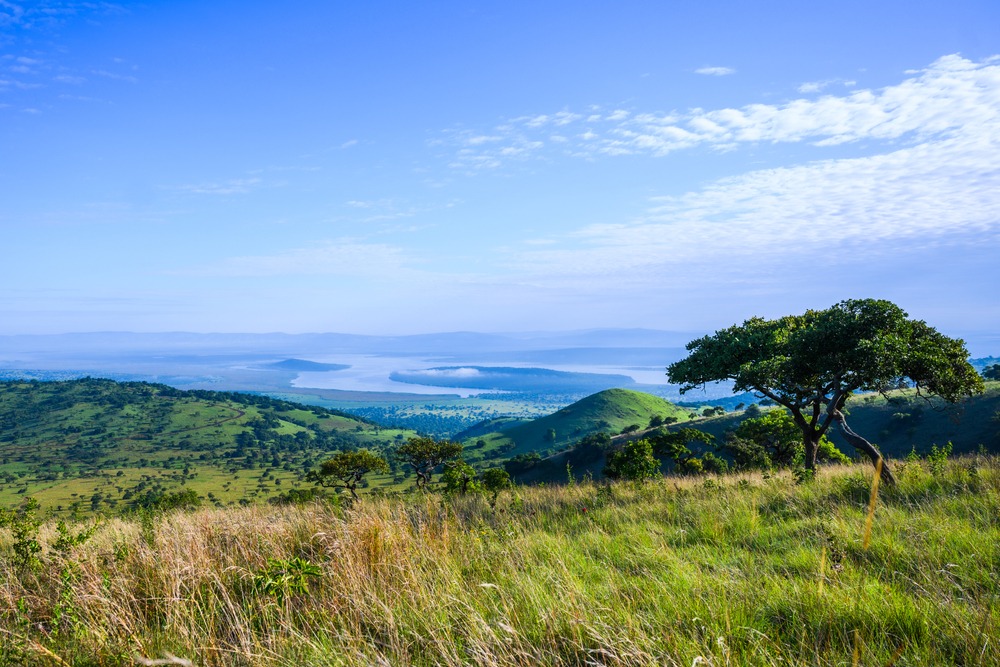
Parc national de l'Akagera
Seul parc de savane du Rwanda, l'Akagera abrite les Big Five, 530 espèces d'oiseaux et un réseau de lacs, à 2-3 heures de Kigali.
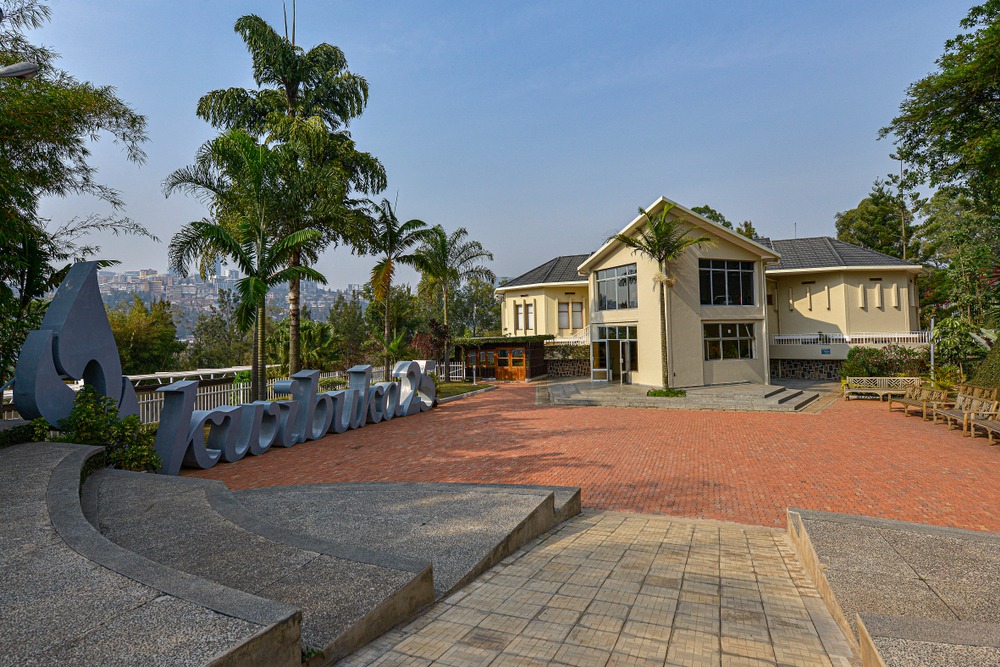
Mémorial du génocide de Kigali
Sur le site de Gisozi à Kigali, le mémorial honore les victimes du génocide de 1994 et propose un parcours muséographique de référence sur l'histoire du Rwanda.
Want to discover this destination?
Our local advisors design your tailor-made trip.