Bwindi National Park
Bwindi National Park
Bwindi is home to nearly half of the world's mountain gorillas. Permits, sectors, seasons and tips to prepare your trek in this 25,000-year-old forest.
Bwindi National Park, also known as the "Bwindi Impenetrable Forest," is a vast expanse located in southwestern Uganda, near the border with Rwanda and the Democratic Republic of Congo. This unique natural site is renowned for its exceptional biodiversity, and above all, for harboring one of the world's most significant populations of mountain gorillas. These primates are among the most threatened animal species on Earth. For nature enthusiasts, conservation advocates, and travelers eager for discovery, a visit to Bwindi offers an unforgettable experience.
Characteristics
Bwindi National Park covers an area of 331 square kilometers and is part of the mountainous region of the African Great Lakes. It sits along the Albertine Rift Valley, a zone recognized for its unique biodiversity. The impenetrable forest that gives it its name is one of Africa's oldest, dating back more than 25,000 years. It has withstood the major climatic and ecological upheavals that have marked the continent's history.
A Treasure Trove of Biodiversity
Bwindi National Park has been a UNESCO World Heritage Site since 1991 due to its extraordinary biodiversity. Its dense and lush vegetation, combined with steep and rugged terrain, has allowed for the preservation of an incredible variety of animal and plant species.
Mountain Gorillas
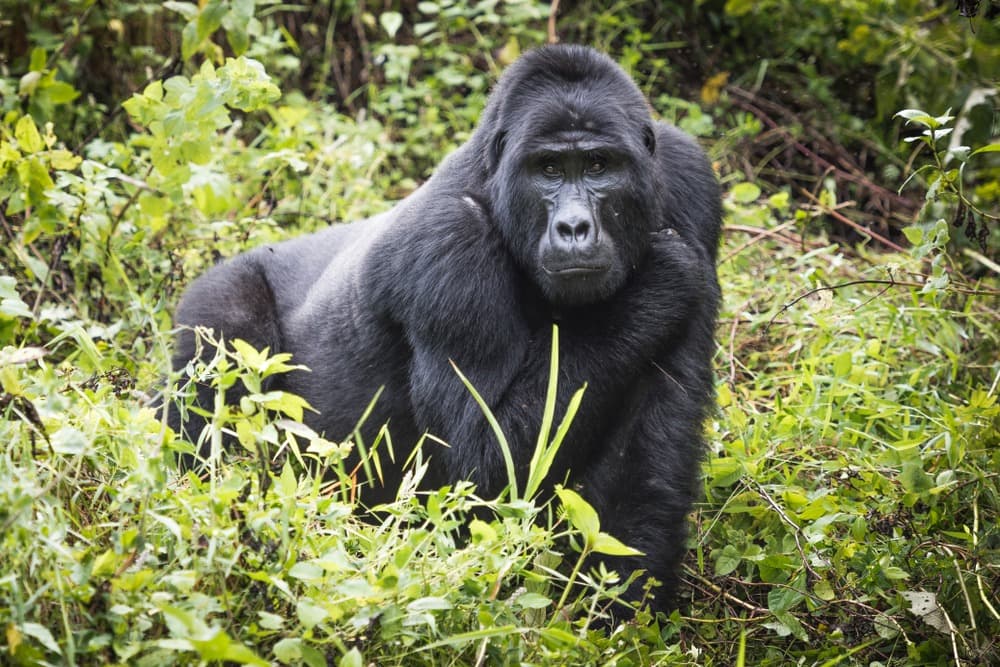
Bwindi National Park is one of the few places on Earth where mountain gorillas can still be observed in the wild. It is estimated that there are approximately 450 individuals—roughly half of the global population of these primates that live in the Bwindi Impenetrable Forest. Moreover, this is an endangered species.
These gorillas live in family groups (13 in total), each led by a "silverback," a dominant male who ensures the protection and cohesion of the group. It should be noted that adult males can weigh up to 180 kg and measure up to 1.8 meters when standing.
Furthermore, Bwindi National Park is divided into four sectors, allowing visitors to enjoy different trekking trails and discover gorilla groups, namely:
- Buhoma (in the northwest)
- Ruhija (in the east)
- Rushaga (in the south)
- Nkuringo (in the southwest)
Animal and Plant Diversity
While gorillas capture most of the attention, Bwindi is also home to various species of mammals, birds, and butterflies, among others.
Among mammal species, one can find, for example:
- Black and white colobus monkeys
- Chimpanzees
- Cercopithecus monkeys
- Red-tailed monkeys
- Baboons
- Forest elephants
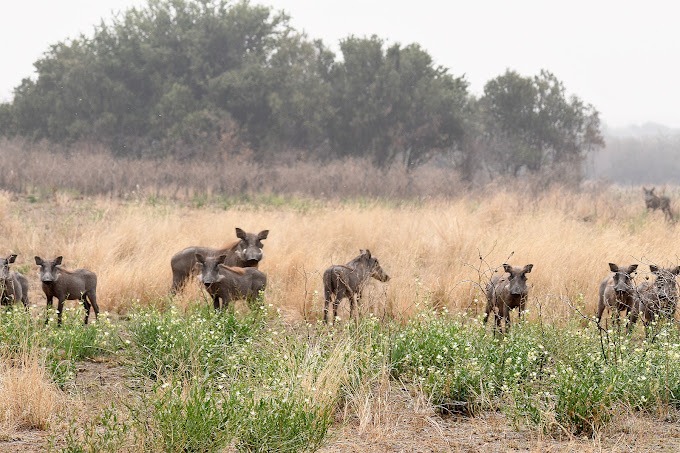
- Giant forest hogs
- Antelopes
- Civets
- Pangolins
The park is also home to a great diversity of birds, with approximately 350 species recorded, some of which are endemic. Among these, some are of breathtaking beauty, such as the Bwindi pigeon, the white-breasted turaco, and the African crowned eagle, among others.
Regarding flora, the forest is famous for harboring nearly 400 plant species, including century-old trees, giant ferns, and various rare flowers. Plant diversity is so great that some species are unique to this region. This offers botanists a rare opportunity to study ancient flora.
Culture Around the Park
The Bwindi Forest has always been a central place in the culture and history of local communities. The Batwa, a Pygmy people traditionally hunter-gatherers, have inhabited this region for thousands of years. Their lifestyle, based on the forest for food, shelter, and medicinal remedies, was disrupted when the region was declared a national park in 1991 to protect the gorillas and their habitat.
Since then, the Batwa have been displaced from the park, but they now play an important role in ecotourism and conservation initiatives. Cultural visits are organized to allow travelers to discover their history and ancestral relationship with the forest. These programs aim to preserve Batwa cultural heritage while improving their living conditions through tourism revenue.
How to Get There
By Air
To reach Bwindi National Park, you must first fly to the international airport located 35 km from Kampala, Uganda's capital—Entebbe International Airport. From there, you can opt for a domestic flight of approximately 1.5 hours to one of two aerodromes near the park: Kisoro or Kihihi. Once there, you'll need to drive approximately 2 hours by car to reach the park.
By Car
For those who enjoy traveling by car, the journey from Kampala to Bwindi National Park takes approximately 8 to 10 hours. Several roads and routes can lead to the entrance of the nature reserve.
By Bus
For visitors who wish to use public transportation, there are bus services connecting Kampala to towns near Bwindi, such as Kabale or Kisoro. However, buses do not go directly to the park entrance. You'll need to rent a private vehicle or use a motorcycle taxi to reach Bwindi.
Organized Transfer
Many travel agencies and tour operators offer private transfers from Ugandan towns and even from Rwanda directly to Bwindi. This is a comfortable option for visitors who prefer not to handle logistical details. These transfers often include an experienced guide/driver who handles border formalities and transport to the park.
Bwindi National Park Today
Although it is a protected area, Bwindi National Park faces numerous challenges. Mountain gorillas remain vulnerable due to habitat destruction and poaching. Population growth in surrounding regions also exerts increasing pressure on natural resources. Illegal deforestation, agriculture, and firewood collection are persistent problems.
The proximity between humans and gorillas also poses health risks, as these primates can contract human diseases. Park authorities have implemented strict measures to limit interactions and protect gorillas from these dangers.
Finally, conservation initiatives require substantial funding to be effective. Ecotourism financing plays a crucial role. Revenue generated is reinvested in local development and environmental preservation programs. Partnerships between the Ugandan government, international NGOs, and local organizations are essential to ensure the survival of this precious natural reserve.
Activities
Bwindi National Park attracts thousands of visitors each year, coming primarily to see gorillas. However, this site offers much more than this flagship activity, and travelers can engage in various immersive adventures in the heart of the magical forest.
Gorilla Observation
Observing gorillas in their natural habitat is undoubtedly the park's main attraction. Gorilla trekking is a unique experience that allows visitors to spend an hour in the company of these impressive creatures after a hike through the forest. This activity, although physically demanding, is a privileged moment for nature and wildlife lovers.
This activity is regulated by a permit system to limit the number of visitors and reduce human impact on the animals. This entry permit must be reserved through the Uganda Wildlife Authority Service in Kampala. Tourist groups are accompanied by experienced guides and rangers who lead hikes through the forest to locate the gorillas.
This activity is strictly regulated. Rules must be observed when viewing gorillas, such as:
- Remain silent
- Stay calm and still
- Maintain a distance of 7 meters from the gorillas
- Do not use flash when taking photos
- Follow the guide or ranger's instructions at all times
Visitors can observe and approach these primates for a duration of one hour. However, the hike to locate a gorilla group takes longer depending on its location in the park.
Hiking and Trekking
With its steep trails and varied landscapes, Bwindi is an ideal place for hiking and trekking enthusiasts. Different routes allow you to explore the wild beauty of the forest, with spectacular viewpoints over the valley and surrounding mountains. Treks are also opportunities to observe the diverse bird species in the park.
Cultural Visits
Visits to local villages offer a unique glimpse into the lives of communities around the park. Tourists can learn more about local agricultural practices, traditional dances, and ecotourism initiatives that allow local populations to benefit from forest conservation.
Want to discover this destination?
Our local advisors design your tailor-made trip.