Lake Ihema
Lake Ihema
At the heart of Akagera Park, Lake Ihema concentrates hippopotamuses, crocodiles and exceptional birdlife. Practical guide to prepare your visit.
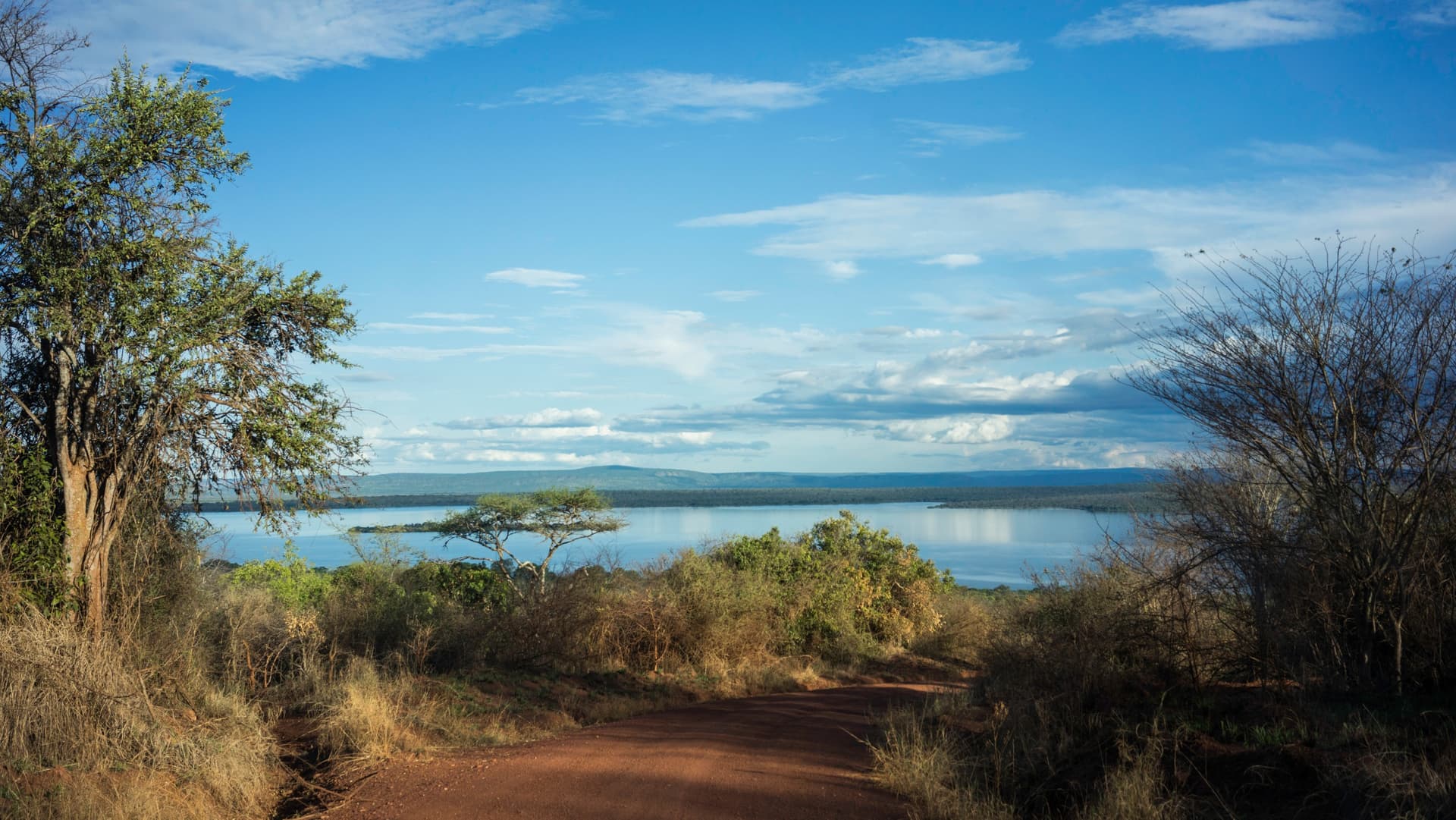
Lake Ihema stretches over approximately 90 km² in Rwanda's eastern province, near the Tanzanian border. The country's second-largest lake, it forms the south-eastern boundary of Akagera National Park and concentrates a significant portion of its aquatic wildlife: hippopotamuses, Nile crocodiles and wetland birdlife.
Why visit Lake Ihema
Lake Ihema offers one of Rwanda's finest spots for observing semi-aquatic fauna from a boat. Its shallow waters (5 to 7 metres maximum) and marshy banks concentrate hippopotamuses and crocodiles at close range, in an environment where tourism pressure remains moderate compared to major East African parks.
The site also stands out for its ornithological interest: Akagera Park as a whole is home to more than 550 recorded bird species, and Lake Ihema's wetland zones harbour a substantial share, notably papyrus and marsh species that are uncommon elsewhere.
What to see and do
Boat safari
The motorised boat excursion is the lake's flagship activity. Led by a park guide, it travels along the shorelines where crocodiles rest and crosses the zones where hippopotamus groups emerge. Departures typically occur early morning and late afternoon, when wildlife is most active. Allow approximately 1 to 1.5 hours of navigation.
Birdwatching
Lake Ihema ranks among Rwanda's major ornithological sites. Among regularly observed species:
- The papyrus gonolek, an emblematic marsh species of the Akagera basin
- The shoebill, sought by birdwatchers, present irregularly
- Goliath herons, Africa's largest herons
- Jacanas, ibises, cormorants, pond herons and egrets along reed borders
- Several kingfisher species
- Sandpipers and plovers, most present during migration season
Terrestrial fauna nearby
The plains and savannas bordering the lake welcome impalas, zebras, buffalo and elephants coming to drink. Lions, reintroduced to Akagera Park, and leopards are present but more difficult to observe in this sector. A 4x4 safari usefully complements the boat trip.
When to visit
Lake Ihema can be visited year-round. The dry seasons (June to September, and to a lesser extent January to February) offer the best conditions for park access and concentrate wildlife around water sources. The rainy seasons (March-May and October-December) make certain tracks difficult but coincide with the arrival of migratory birds from Europe and sub-Saharan Africa, making them the preferred period for birdwatching.
For wildlife observation, prioritise the first morning hours and late afternoon, when temperatures drop.
Practical information
- Location: south-east of Akagera National Park, eastern province of Rwanda, at approximately 1,292 metres altitude
- Lake access: approximately 30 minutes' drive from the park's main visitor centre
- Park opening hours: daily, from 06:00 to 18:00 approximately (verify with Rwanda Development Board before departure)
- Fees: park entrance fee plus boat safari supplement, payable at reception
- Conservation: the lake is subject to water level monitoring programmes and forms part of Akagera Park's policy for reintroducing threatened species
- To bring: binoculars, sun protection, neutral-coloured clothing, water
How to get there
The main entrance to Akagera Park, known as Kiyonza gate, is located near Kabarondo town, approximately 2.5 to 3 hours' drive from Kigali via national road RN3. The majority of visitors arrive by private vehicle or organised transfer. Once through the reception post, allow an additional thirty minutes to reach Lake Ihema's boarding piers.
Lake Ihema belongs to the Akagera River watershed, which flows further south into the Kagera River, the natural border with Tanzania.
To see in the region
Lake Ihema combines well with other stops in Rwanda:
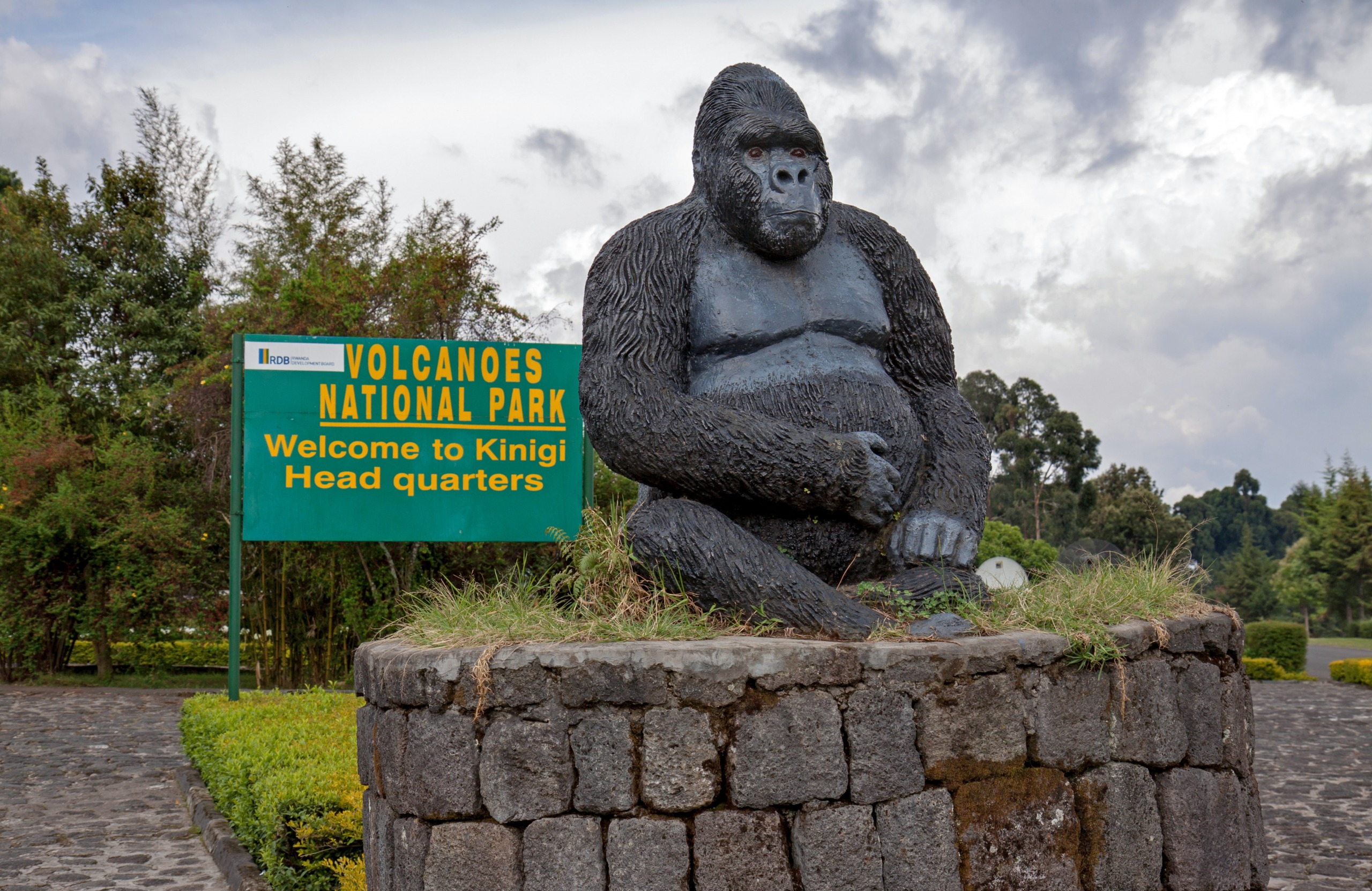
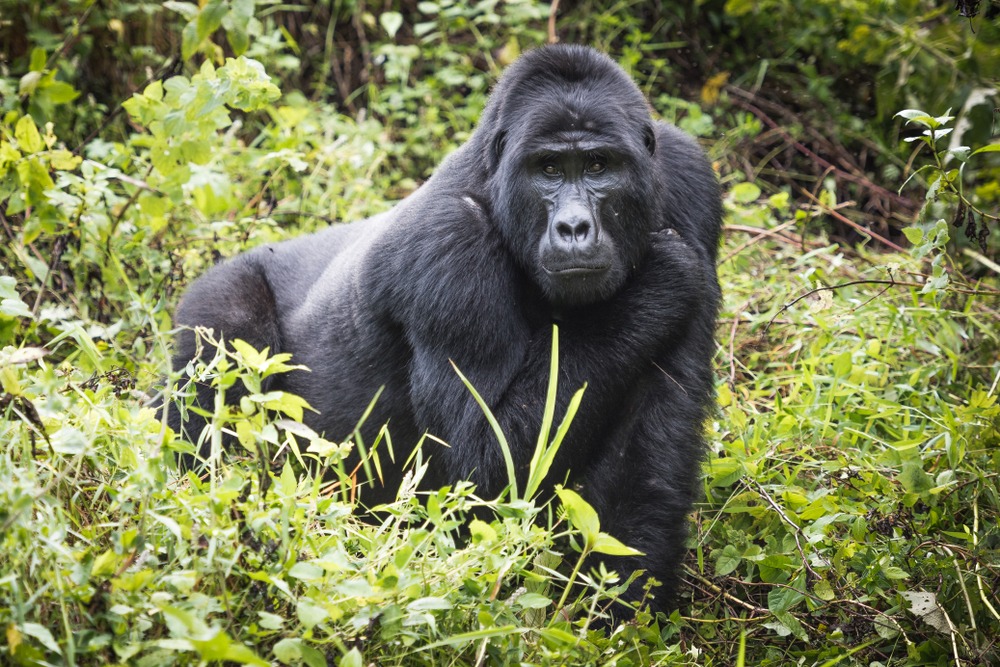
- The Volcanoes National Park, in the west of the country, for mountain gorilla trekking
- The Ziwa Rhinoceros Sanctuary, in the sub-region
- The Kigali Genocide Memorial, an essential memorial stop when passing through the capital
- The reconciliation village of Mbyo, to understand the country's social reconstruction
Frequently asked questions
Frequently asked questions
No. The lake is integrated within Akagera National Park and access is mandatory through the park entrance near Kabarondo, with payment of the entrance fee.
No. The significant presence of hippopotamuses and Nile crocodiles makes swimming strictly prohibited. Observation is exclusively from a guided boat.
The boat safari lasts between 1 and 1.5 hours. Combined with the journey from the park entrance and a land safari, allow half a day to a full day in the southern sector of Akagera Park.
It is recommended, especially during high season. Departures are at fixed times and boat seats are limited.
No, its observation remains uncertain. The lake is among the sites where the species is recorded but its presence is irregular. An ornithology guide increases the chances of spotting it.
To incorporate Lake Ihema and Akagera Park into a complete itinerary, consult our Rwanda journeys.
Interested in this visit?
We can include it in your personalised itinerary.