Mountain Gorillas in Rwanda: Where, When and How to See Them?
Seeing mountain gorillas in the wild. It's an experience that leaves an indelible mark on the mind. To make this dream a reality, head to Rwanda.
Seeing mountain gorillas in the wild. It's an experience that leaves an indelible mark on the mind. To make this dream a reality, head to Rwanda. It's here that the renowned primatologist Dian Fossey devoted much of her life to studying and protecting what are the world's largest primates.
Where and how to see mountain gorillas during a stay in Rwanda? What should you prepare and when should you go? Discover everything you need to know before heading off on a gorilla trek in Rwanda.
A few words about mountain gorillas...
Geographic distribution
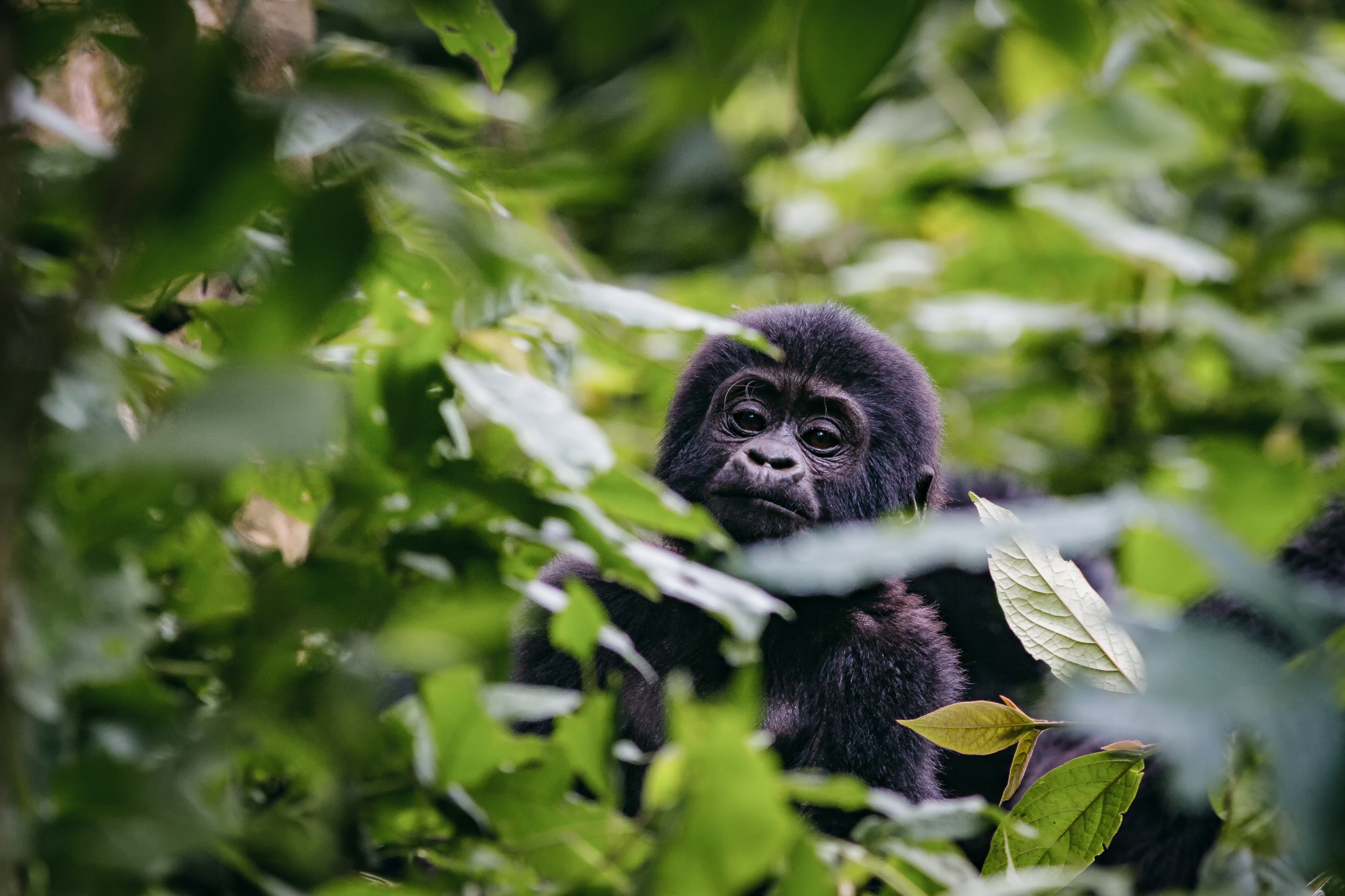
In Rwanda, the gorilla species you may encounter is the "Gorilla beringei beringei", more commonly known as the mountain gorilla. It is one of two subspecies of the Eastern Gorilla. These gorillas primarily inhabit the Great Lakes region of Africa, in the rainforests of the Virunga volcanic chain that extends from the Democratic Republic of Congo (DRC), through Uganda to Rwanda. They live in high-altitude forests, up to 4,000 m above sea level.
Behavior
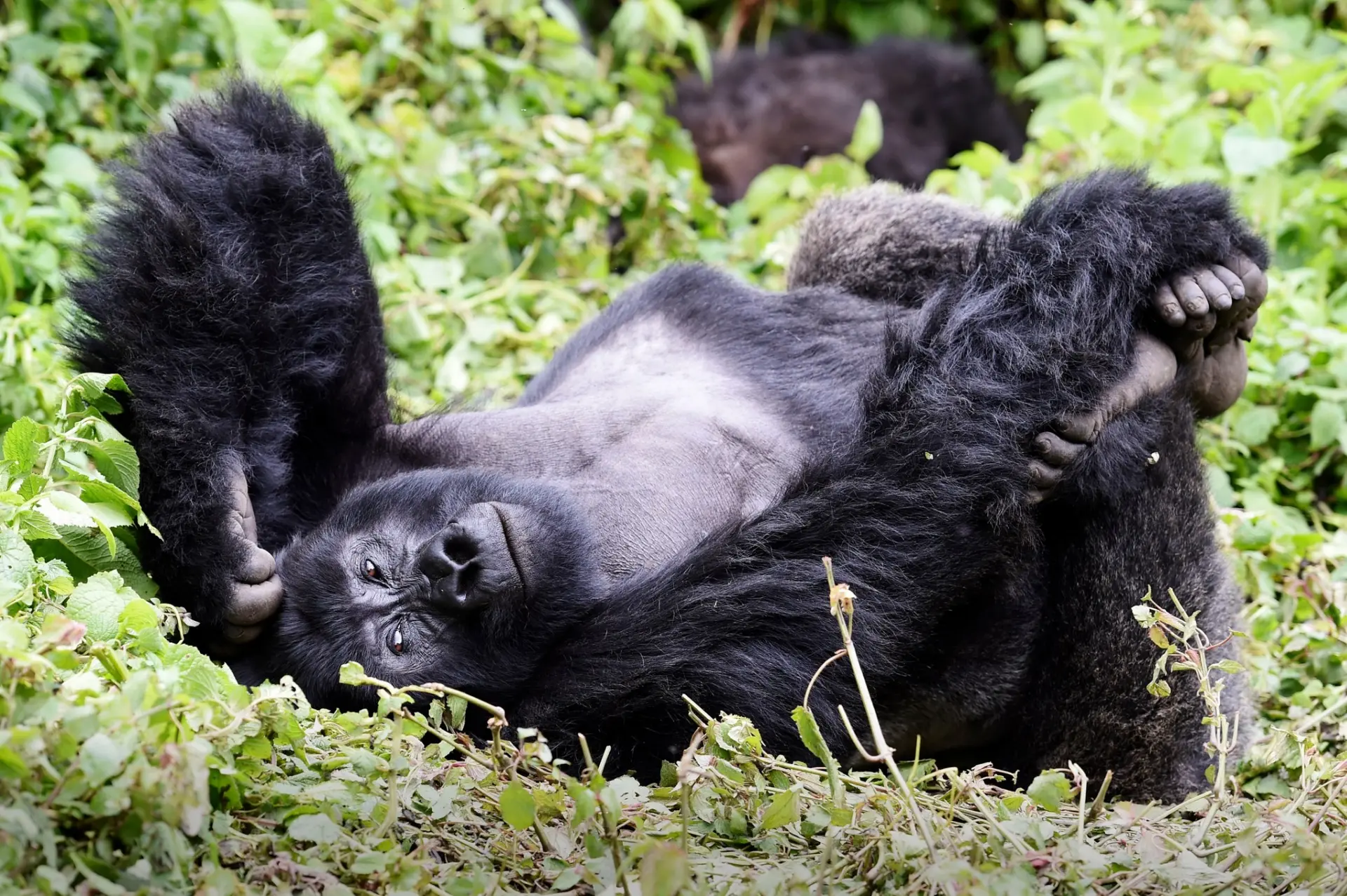
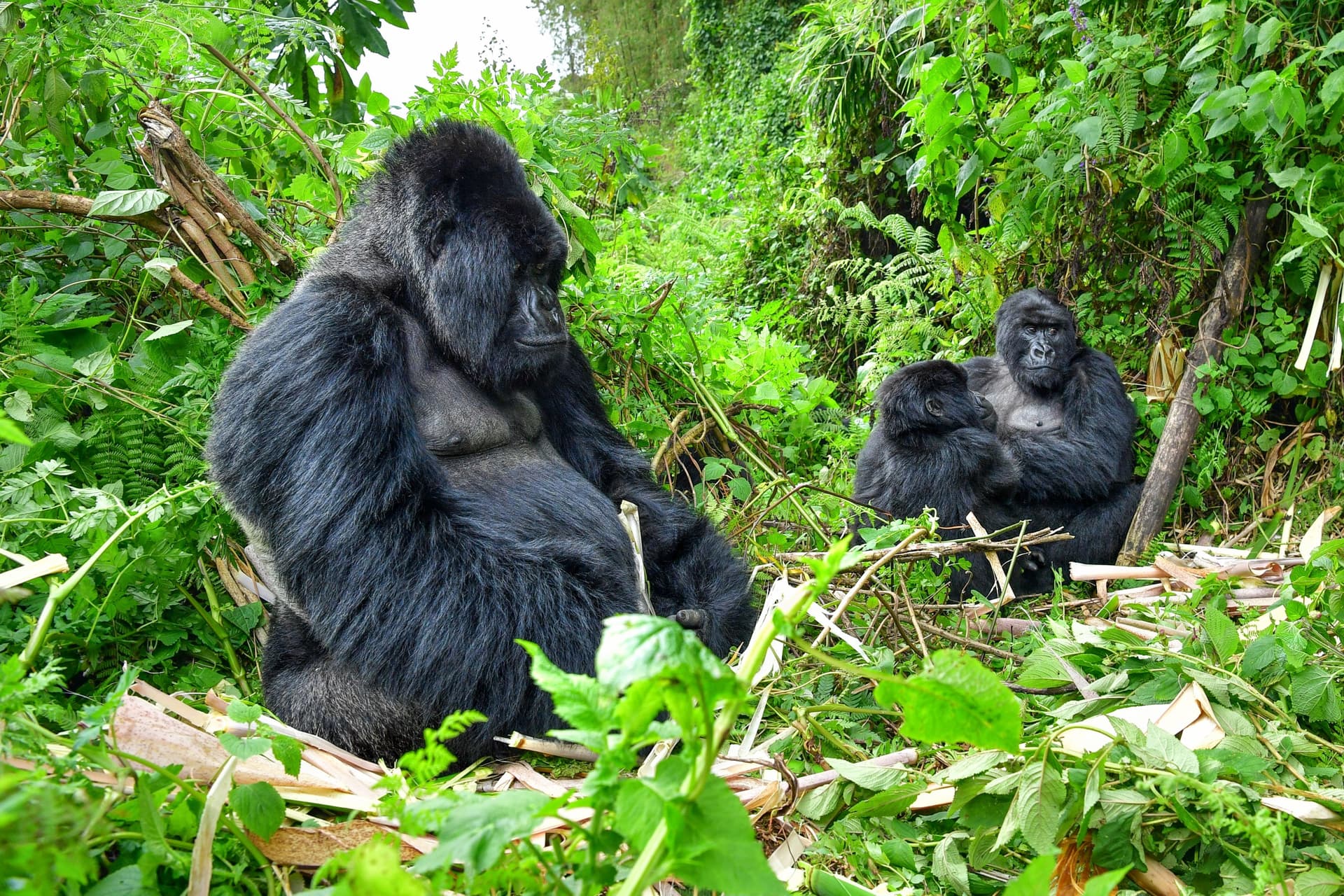
They are primates that live in groups of 8 to 20 individuals (sometimes more). Groups are all led by a dominant male: the famous silverback. This male can weigh up to 300 kg and reach 2 m in height. While they impress with their size and strength, mountain gorillas are peaceful and calm animals. They spend most of their time foraging. Following an essentially vegetarian diet, they enjoy bamboo, charcoal, wild celery and other leaves, fruits and plants. They consume up to 38 kg per day for males and 25 kg for females.
Threats and protection status
Classified as critically endangered by the IUCN, mountain gorillas face numerous threats:
Poaching
Deforestation and habitat loss
Conflict and civil unrest
Infectious diseases
Furthermore, it should be noted that mountain gorillas have a high infant mortality rate and a long gestation period (approximately 8.5 months), making them a relatively vulnerable species.
The good news? Mountain gorilla populations have been recovering in recent years thanks to effective conservation measures and the contribution of local communities. It is notably thanks to the enormous work of the renowned primatologist Dian Fossey that the conservation of mountain gorillas became a global concern. She established the Karisoke Research Center in 1967, an institute that played a crucial role in understanding and conserving the world's largest primates and continues to expand today.
Where to go to see gorillas in Rwanda?
Volcanoes National Park
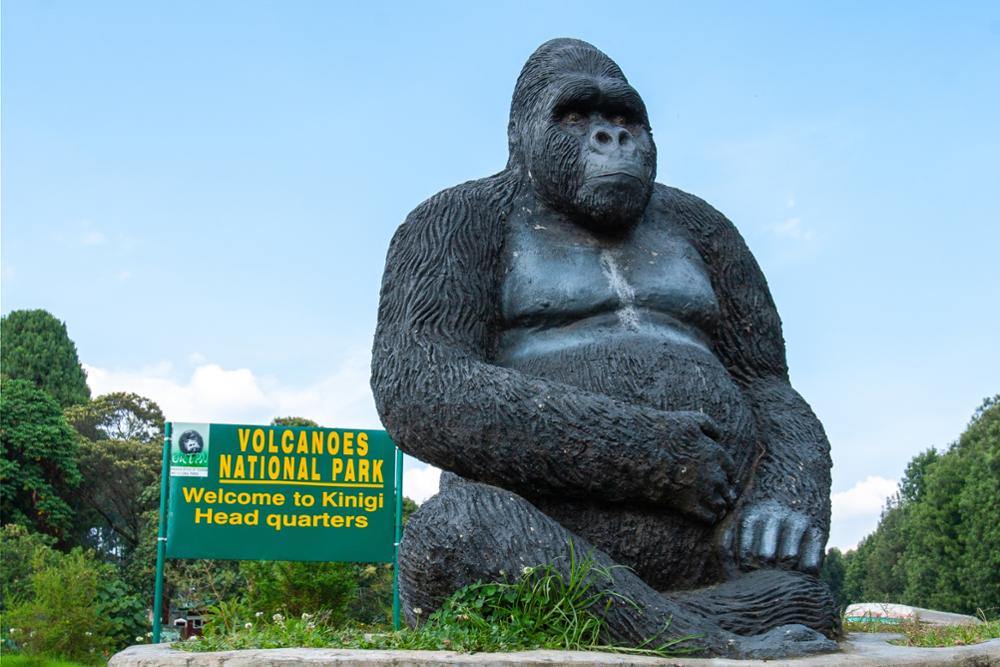
To see gorillas in their natural environment in Rwanda, head to Volcanoes National Park. Located in the northwest of the country, it is one of Africa's most famous nature reserves. Here too, Dian Fossey played a major role. Made famous by the film Gorillas in the Mist, which tells the story of the primatologist's life, this is where she spent nearly 20 years of her life studying gorillas before being tragically assassinated by a poacher in 1985.
Today, Volcanoes National Park is home to several groups of gorillas habituated to humans. The habituation process involves accustoming primates to human presence to facilitate observations by researchers and allow tourists to approach them. This can take up to 24 months.
In total, Volcanoes National Park is home to 10 groups of gorillas habituated to humans. To protect the animals and prevent them from being disturbed, several rules have been put in place. Each gorilla group can only be approached by a group of humans once per day, and for just 1 hour. Visitor groups are limited to a maximum of 8 people. Additionally, 80 gorilla viewing permits are available each day in the park.
Gorilla treks are conducted in the company of professional rangers and experienced trackers to guide visitors, find the gorillas and ensure everyone's safety.
💡 Did you know?
It is possible to visit the Karisoke Research Center, now known as the Dian Fossey Gorilla International Fund. Located between the Karisimbi and Visoke volcanoes, it allows you to see where Dian Fossey worked, as well as learn more about her story and research. This is also where her tomb is located, next to that of her favorite gorilla: Digit.
You can also discover the recent Ellen DeGeneres Campus of the Dian Fossey Gorilla Fund, supported by the philanthropic backing of Ellen DeGeneres (American television host) and her wife Portia de Rossi.
How to see gorillas during a trip to Rwanda?
Going on your own
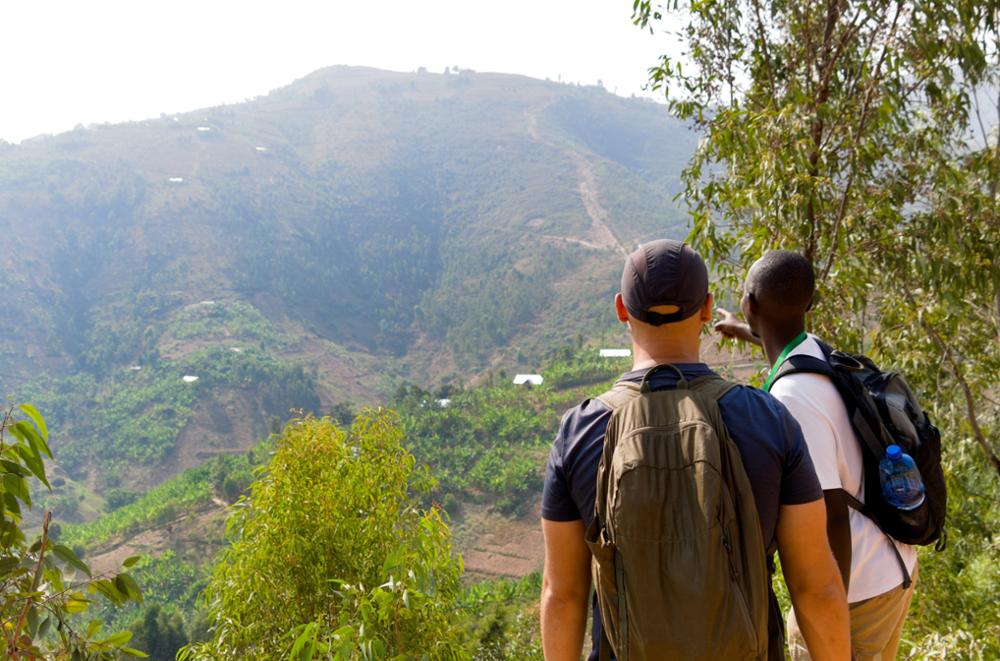
You can reach Volcanoes National Park on your own, but be aware that legislation requires you to be accompanied by local guides employed by the park. Furthermore, you will need a permit to enter the park. The gorilla permit is issued by the Rwanda Development Board (RDB), the organization that manages and regulates all tourism activities in Rwanda. So you'll need to contact them to request your gorilla permit.
To do so, you can contact them:
By email: [email protected]
By phone: +252 57 65 14
Don't forget to bring your passports, which must be valid.
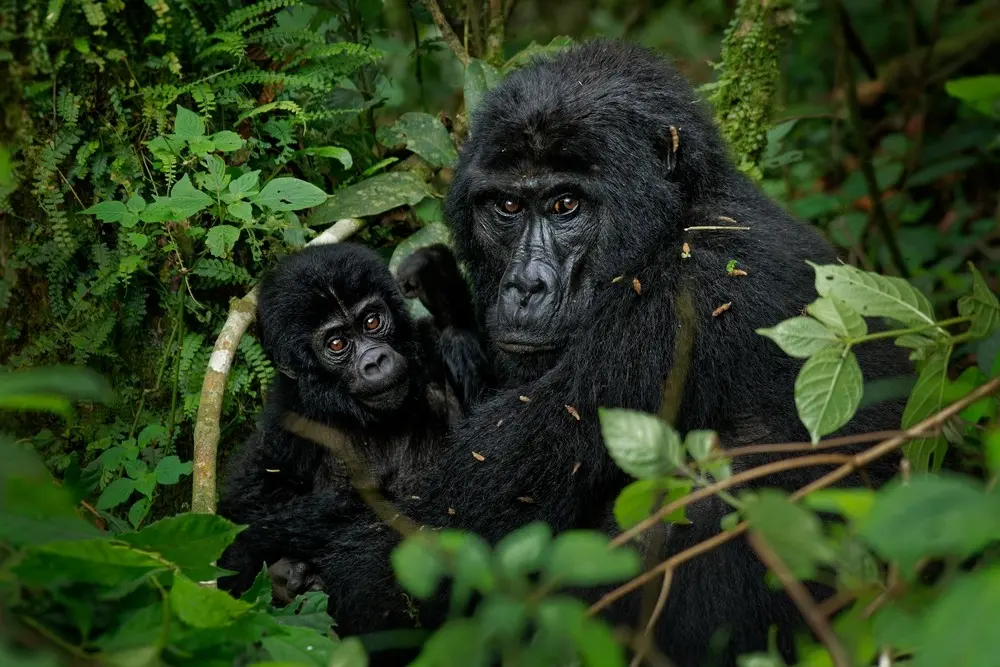
Volcanoes National Park & Meeting the Gorillas
An unforgettable journey through Volcanoes National Park, to experience the thrill of an encounter with mountain gorillas.
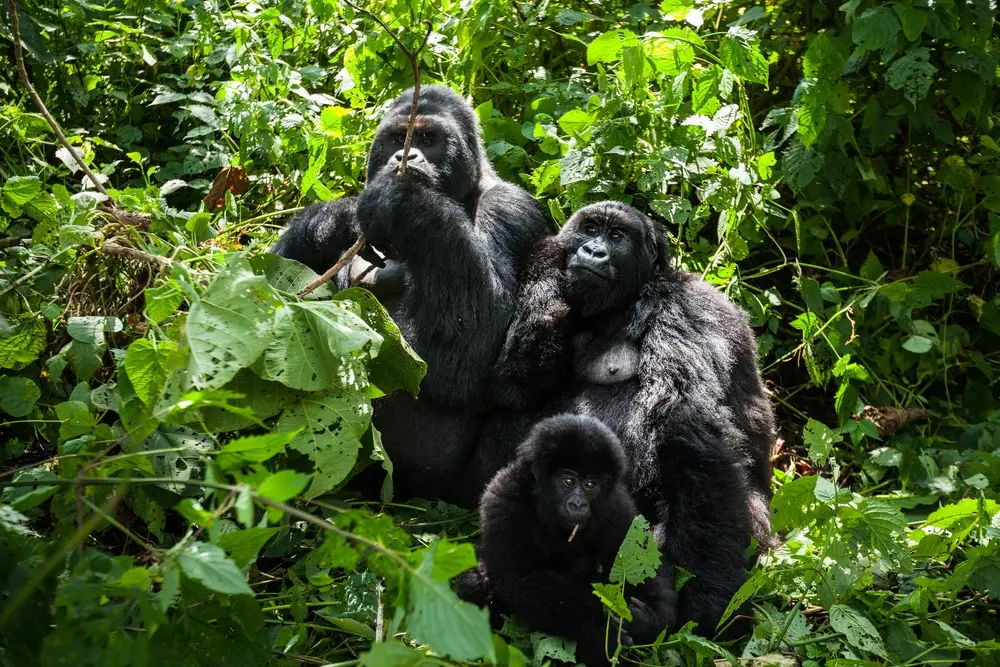
Wild Adventure & Mountain Gorillas
Set off on a wild adventure through forests, volcanoes and savanna, punctuated by the unique experience of a gorilla trek.
Using a travel agency
Don't have time to organize your trip? Not sure how to go about it? Want the best possible guarantees? In that case, we strongly recommend using a travel agency to plan your gorilla observation trek. Not only will you have no administrative steps to handle (we'll take care of booking your gorilla permits), but you can also let yourself be guided without worrying about anything (we send our best drivers to get you to the park, we handle accommodations...).
📌 Important note:
Regardless of which option you choose (with a travel agency or not), we strongly advise you to book your gorilla permit at least 6 months in advance. As a reminder, only 80 permits are issued each day, so places can be snapped up quickly, especially during high season (June, July and August).
What happens on the day of gorilla trekking in Rwanda?
How does gorilla trekking work?
On the day itself, participants meet at the Volcanoes National Park headquarters in Kinigi at 7 a.m. They are then assigned a gorilla group based on their fitness level.
Mountain gorillas are territorial in nature. In other words, each group has its own territory that it rarely leaves. Gorilla groups living in the most remote areas of the park are assigned to travelers with better fitness levels, and conversely, those living closest to the park headquarters are assigned to visitors with lower fitness levels.
Visitors are then invited to listen to a briefing from park authorities and forest rangers about the safety protocols and rules before heading off on the adventure.
How many people are in a group during a gorilla trek in Rwanda?
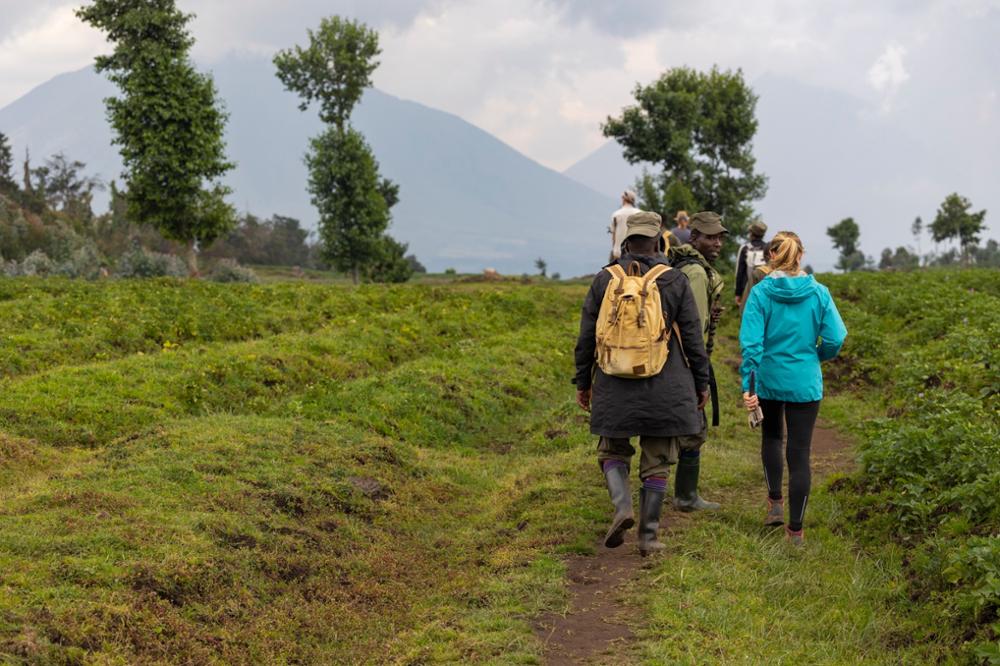
To limit the impact of tourism on gorillas, the number of visitors is limited to 8 people per group, not including trackers and guides.
How long does it take to walk to the gorillas?
As explained above, the walking time to reach the gorillas can vary depending on the gorilla group assigned to you. It can take 30 minutes of walking up to 5 or 6 hours of walking.
How long can you spend with the gorillas?
To avoid disturbing the gorillas too long, the encounter is limited to 1 hour maximum (per group of visitors and per day). You will be able to observe them feeding, resting, moving and playing in the trees.
At what distance can you observe mountain gorillas?
You are required to maintain a safe distance from the gorillas. This should be no less than 7 m. Naturally curious, it is not uncommon for gorillas to approach visitors. In such cases, you must follow the instructions given by the guides (see further in the article).
🦍 Would you like to learn more and arrange a meeting with the gorillas?
✨Feel free to contact us, we would be delighted to help you with your dream project. ✨
What fitness level do you need for a gorilla observation trek?
Volcanoes National Park consists of lush, humid forests. During a gorilla trek, you will cross uneven terrain and climb hills and volcanic slopes. During the wet season, humidity can reach 90%. For all these reasons, you should be in reasonable physical condition before embarking on the adventure. We recommend preparing a bit in advance, both physically and mentally.
That said, as mentioned earlier, it's entirely possible to go on a gorilla trek without being in excellent physical condition. In that case, just mention it in advance and you'll be assigned a gorilla group located close to the park headquarters. That said, we strongly recommend scheduling a doctor's appointment before you go to make sure there are no contraindications.
🌿 Good to know:
It is possible to hire porters during gorilla treks. They can help you carry backpacks and camera equipment to make your movements easier. Prices range from $15 to 20 USD per porter.
Is there a minimum age to go gorilla trekking in Rwanda?
The minimum age required to participate in Gorilla Trekking is 15 years old. Why? Firstly, because gorillas can be frightened by younger children, and secondly because children are more likely to carry transmissible diseases to gorillas (such as flu, gastroenteritis...).
Is it dangerous to approach gorillas?
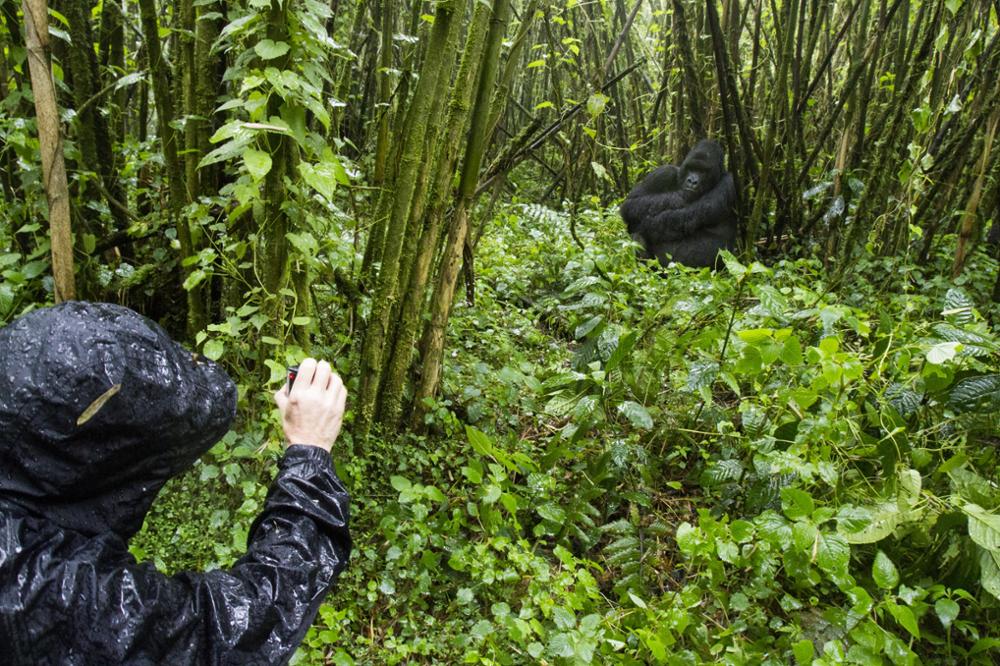
Impressive as they may be, mountain gorillas are not considered dangerous or aggressive animals. They are rather peaceful and timid species that only become aggressive if threatened. It's worth noting that gorillas avoid fighting at all costs (even among themselves) to prevent injury. When males beat their chests and show their teeth, this is usually just a demonstration of authority and an attempt at intimidation.
You can be assured. To date, no incidents have been reported between a visitor and a gorilla, as confirmed by the official Volcanoes National Park website: "We have never heard of a case where such animals have attacked tourists".
What rules must be followed during the trek and when with the gorillas?
To ensure the well-being of mountain gorillas and the safety of visitors, Rwanda's development council has established a series of rules and guidelines.
Rules of conduct during the trek in the park:
Always listen to the instructions of guides and rangers;
Never stray from the visitor group to avoid getting lost in the forest;
Never leave any litter in the park;
Remain calm and silent during the trek to avoid frightening animals;
Rules of conduct when with the gorillas:
Always listen to the instructions of guides and rangers;
Maintain a safe distance of at least 7 m from the gorillas;
Remain calm, avoid sudden movements and move slowly;
Do not eat in front of the gorillas;
Avoid making direct eye contact with the gorillas;
Never touch the gorillas, even if they approach you;
Never imitate gorilla behavior (never beat your chest at the risk of sending them an attack signal);
Maintain your position, sit down and look away if a gorilla tries to approach (this behavior signals to the gorilla that you are submitting to them and do not want confrontation);
Retreat slowly and never turn your back if a gorilla shows signs of agitation (screaming, chest beating...);
Do not use the flash on your camera or phone.
🚨 Attention:
It is strictly forbidden for ill visitors to go on a gorilla trek to avoid the risk of transmitting diseases to them. As a reminder, gorillas are man's closest cousins (after chimpanzees and bonobos): they share approximately 98% of our DNA. Moreover, they can easily catch our viruses.
For this reason, it is necessary to mention any apparent symptoms before departure. Do not take the risk of going if you are sick (even with just a cold) to avoid endangering the gorillas. If you show no signs of illness, you will in any case be given a mask before departure.
Can you get a refund if you get sick?
On the park's official website, it states: "The Rwanda Development Board (RDB) will reimburse 50% of gorilla tracking fees to any visitor showing signs of illness. Any visitor deemed unfit by the responsible keeper will not be allowed to track gorillas. This rule applies only to visitors who have made the journey to the park."
What equipment should you bring for a gorilla observation trek?
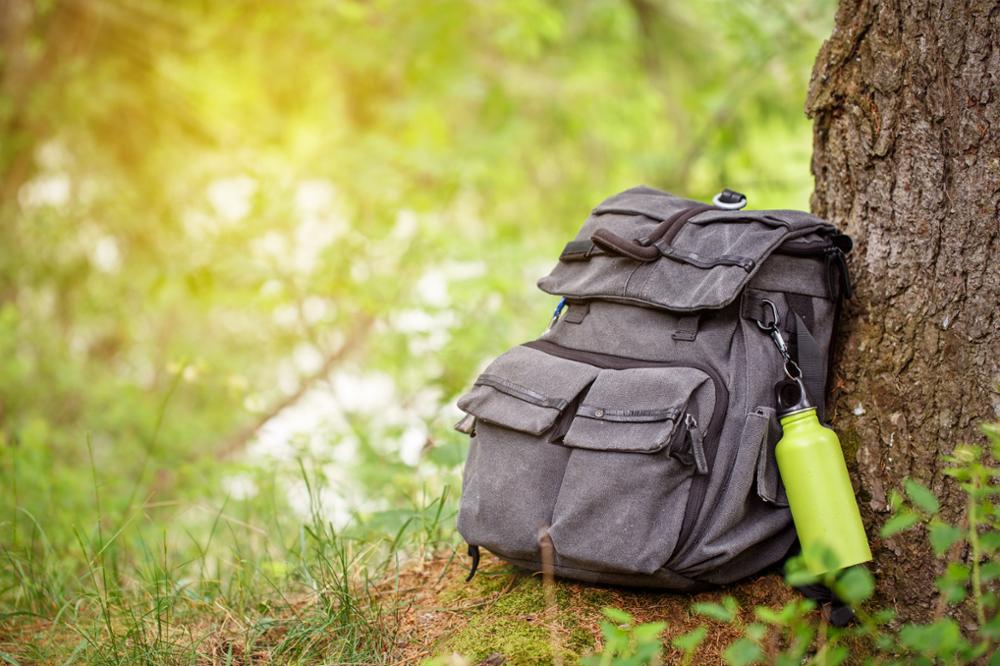
What equipment to bring?
Here is the equipment needed to undertake a gorilla trek under good conditions:
A small lightweight practical backpack to carry water, a packed lunch and your personal items;
Sun protection: a hat with visor or a baseball cap, sunscreen, sunglasses... Consider straps to attach your hat and glasses around your neck;
Insect repellent;
Gardening gloves to protect your hands from thorny plants and vegetation;
Binoculars to observe the gorillas more closely and see other park species (birds, other primate species...);
A camera with lenses, spare batteries and memory cards;
Energy snacks and water supplies;
A flashlight;
A waterproof pouch to protect your documents;
A waterproof bag to place damp clothing (note that plastic bags are banned in Rwanda!).
To remember:
Don't forget to bring your passport, you will need it on the day! You will need to present it to park officials who will verify that you are the correct permit holder.
How should you dress for a gorilla trek?
As for clothing and accessories, you will need:
Good hiking boots: they should be lightweight, waterproof and high-cut to provide good ankle support;
Long comfortable socks: you can opt for lightweight wool socks;
A lightweight sweater (it can be cold at altitude);
A lightweight waterproof and breathable rain jacket in case of rain;
Lightweight waterproof and breathable pants;
Long-sleeved shirts to avoid insect bites and scratches from brambles;
How much does a gorilla permit cost in Rwanda?
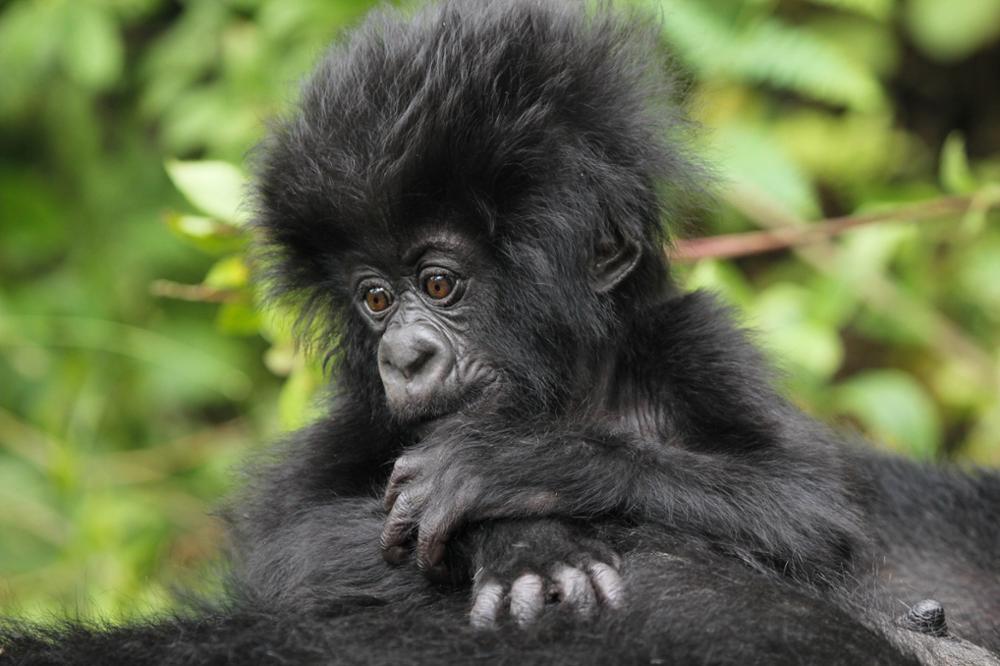
What is the price of a gorilla permit in Rwanda?
The gorilla permit for Volcanoes National Park in Rwanda costs $1,500 USD per person per day. In other words, if you want to do a gorilla trek over 2 days, you'll need to spend $3,000 USD.
The gorilla permit includes:
Park entrance fees,
Guide and ranger fees,
A contribution to gorilla protection and community development.
Why is it so expensive?
$1,500 USD to spend an hour with gorillas. That's a price that may seem exorbitant to many travelers. But why is it so expensive? The answer is simple: to save a species classified as critically endangered.
Indeed, the money collected from gorilla permits allows, in addition to paying park staff, to contribute to the protection and conservation of gorillas through the establishment of monitoring programs (rangers, forest guards, anti-poaching efforts, veterinary care...) and scientific research. The money collected also supports local communities to reduce conflicts between humans and wildlife.
So yes, gorilla trekking could be called luxury tourism, but in the meantime, this strategy is working! After being on the brink of extinction in the 1970s, mountain gorillas have seen their numbers increase over the past several years. As WWF mentions: "In total, its population in the Great Lakes region of Africa is estimated at 1,004 individuals. It is the only great ape with an increasing population!"
Should you tip guides and forest rangers?
While not mandatory, tips can help support the enormous work of guides, rangers, trackers and porters. Thus, we recommend setting aside between $10 and 15 per person.
Where to stay during a gorilla trek?
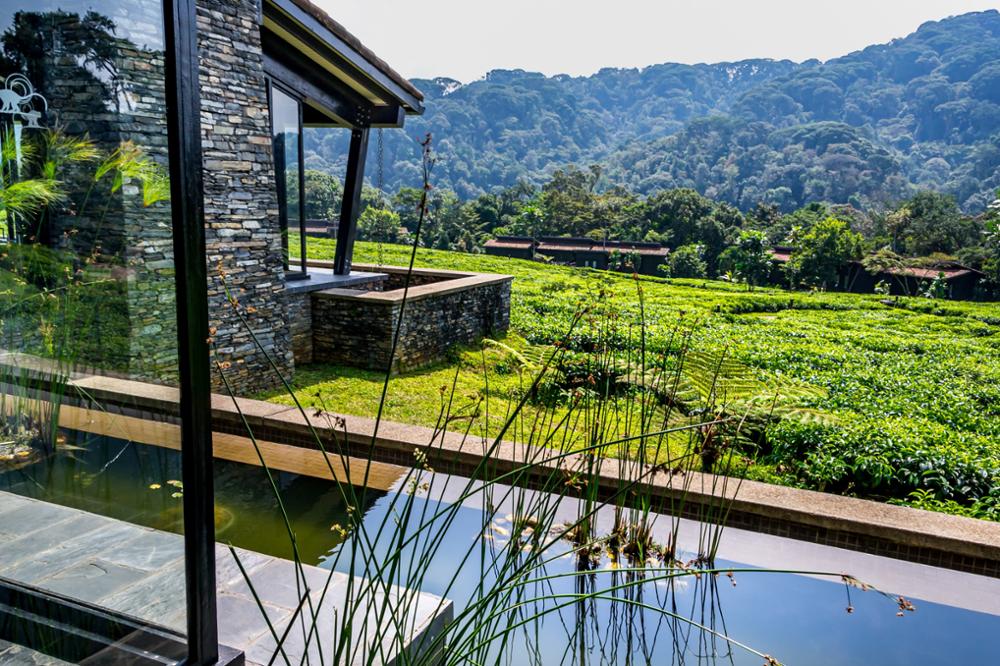
Because you'll be leaving very early in the morning, we recommend sleeping in the area to avoid having to travel and being tired. Fortunately, there are many accommodations near Volcanoes National Park, and for all budgets: from budget-friendly and mid-range lodges to ultra-luxury lodges. Feel free to tell us about your preferences and budget and we'll help you find the one that's right for you!
What is the best time to see gorillas in Rwanda?
Blessed with an equatorial climate, Rwanda has very unpredictable weather. While it's possible to visit the gorillas year-round, we recommend prioritizing the dry seasons:
From January to mid-February (the short dry season),
From June to September (the long dry season).
Generally speaking, the long dry season (June to September) is the most recommended time to visit Rwanda. It's the ideal time for a gorilla trek and to go on a wildlife safari (in Akagera National Park for example). Note that this is also the high tourist season: prices are higher and it's best to book in advance.
In any case, remember that regardless of the season, Volcanoes National Park is often shrouded in mist and it's not uncommon to have a few showers.
Did you know?
Since 2005, Rwanda has held an annual ceremony to name baby gorillas. It's called Kwita Izina. The gorilla naming ritual was launched by the Rwanda Development Board as a way to raise awareness about mountain gorilla conservation in Rwanda and recognize the collective efforts of communities surrounding the national park.
The date of Kwita Izina for 2025 has not yet been announced, but it typically takes place between September and October. If you're in Rwanda at that time, we highly recommend attending this emotionally charged event!
How to get to Volcanoes National Park to see the gorillas?
Volcanoes National Park is located in the northwest of Rwanda, 120 kilometers from the capital Kigali. You can easily reach the park headquarters, located in Kinigi, from Kigali by car. Allow approximately 2 hours of travel.
What else can you do at Volcanoes National Park besides gorilla trekking?
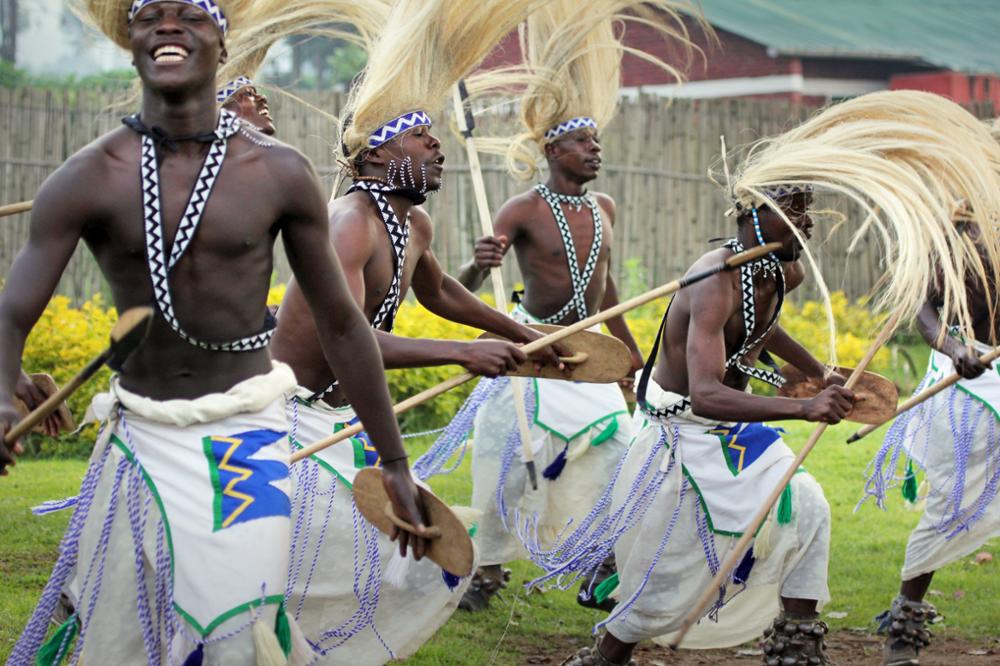
Besides gorilla trekking, Volcanoes National Park offers many activities worth checking out. Among the most popular, we can mention:
Golden monkey trekking;
Birdwatching;
A boat ride on the park's twin lakes (Burere and Ruhondo);
Hiking to Lake Burela;
Climbing Mount Karisimbi (4,507 m altitude), a stratovolcano considered the highest of the 8 main Virunga volcanoes and the 5th highest in Africa;
Meeting the Batwa people, an indigenous people considered the guardians of the forest;
Visiting the genocide memorial...
🌿 Good to know:
Volcanoes National Park is not only a refuge for mountain gorillas, it's also home to many primate species (potto monkeys, blue monkeys, golden monkeys, black and white colobus monkeys, baboons...) as well as other wildlife such as forest elephants, buffalo, black-fronted duiker antelopes, bush pigs, spotted hyenas, many birds and much more...
Need help organizing your gorilla observation trek and your Rwanda trip? Feel free to contact us, we'll be happy to organize your trip according to your preferences and budget.
Frequently asked questions
The gorilla permit in Rwanda costs $1,500 USD per person per day. This fee includes park entrance fees for Volcanoes National Park, guide and ranger fees, as well as a direct contribution to the protection of mountain gorillas and the development of local communities.
The walking time to reach the gorillas varies from 30 minutes to 5-6 hours depending on the gorilla group assigned to you, which is itself determined based on your fitness level. Once the gorillas are found, you can spend a maximum of 1 hour in their company.
The minimum age required to participate in gorilla trekking in Rwanda is 15 years old. This rule is designed to protect gorillas that can be frightened by young children, but also because children are more likely to transmit diseases to primates.
Volcanoes National Park issues 80 permits per day in total, distributed among the 10 gorilla groups habituated to humans in the park. Each group can accommodate a maximum of 8 visitors per day for 1 hour of observation.
No, mountain gorillas are peaceful and timid animals. No accidents involving a visitor have been reported to date. For your safety and that of the gorillas, professional rangers and trackers accompany each group and strict rules must be followed: a minimum distance of 7 m, prohibition from touching them or making eye contact with them.
Yes, partially. The Rwanda Development Board (RDB) refunds 50% of fees if a visitor shows signs of illness on the day of the trek and is deemed unfit by the park official in charge. This rule applies only to visitors who have traveled to the park.