Mbyo, village of reconciliation
Mbyo, village of reconciliation
South of Kigali, the village of Mbyo brings together Tutsi survivors and former Hutu perpetrators in a unique experience of post-genocide cohabitation.
Mbyo is a small village in Bugesera district, south of Kigali, where Tutsi survivors of the 1994 genocide and former Hutu perpetrators live side by side. It is one of the so-called "reconciliation villages" created in the early 2000s to experiment with post-genocide cohabitation. Visiting Mbyo means understanding how a society attempts to rebuild itself after the irreparable.
Why visit Mbyo
Mbyo is not a tourist site in the classical sense. It is an inhabited village where families have made the difficult choice to live together despite the history that separates them. Visiting it allows you to grasp, on the ground, what Rwanda's national reconciliation policy concretely means: direct testimony from residents, community organization, shared economy.
The interest in the visit is above all educational and memorial. It logically complements a visit to the Kigali Genocide Memorial, which sets the historical context before meeting the residents of Mbyo.
History of the village
The genocide against the Tutsis in 1994 cost the lives of approximately 800,000 to 1 million people in one hundred days. In the aftermath of this catastrophe, two populations found themselves homeless and adrift: the survivors, whose villages had been destroyed, and the former perpetrators released after their sentences, often rejected by their communities of origin.
Mbyo was founded in the early 2000s at the initiative of the Rwandan government led by Paul Kagame, in partnership with the NGO Prison Fellowship Rwanda. Fifteen houses were initially built to test cohabitation between survivors and former detainees who had expressed remorse. As the experiment succeeded, the village gradually expanded. Today it is home to approximately sixty families, more than half of whom are women.
This approach is part of the broader framework of community courts Gacaca, established to locally try those responsible for crimes related to the genocide. Convicted persons who had served their sentences and acknowledged their acts could be reintegrated into villages like Mbyo, provided they accepted dialogue work with survivors.
Mbyo is one of eight so-called "reconciliation villages" or "peace villages" established in the country.
What you see on site
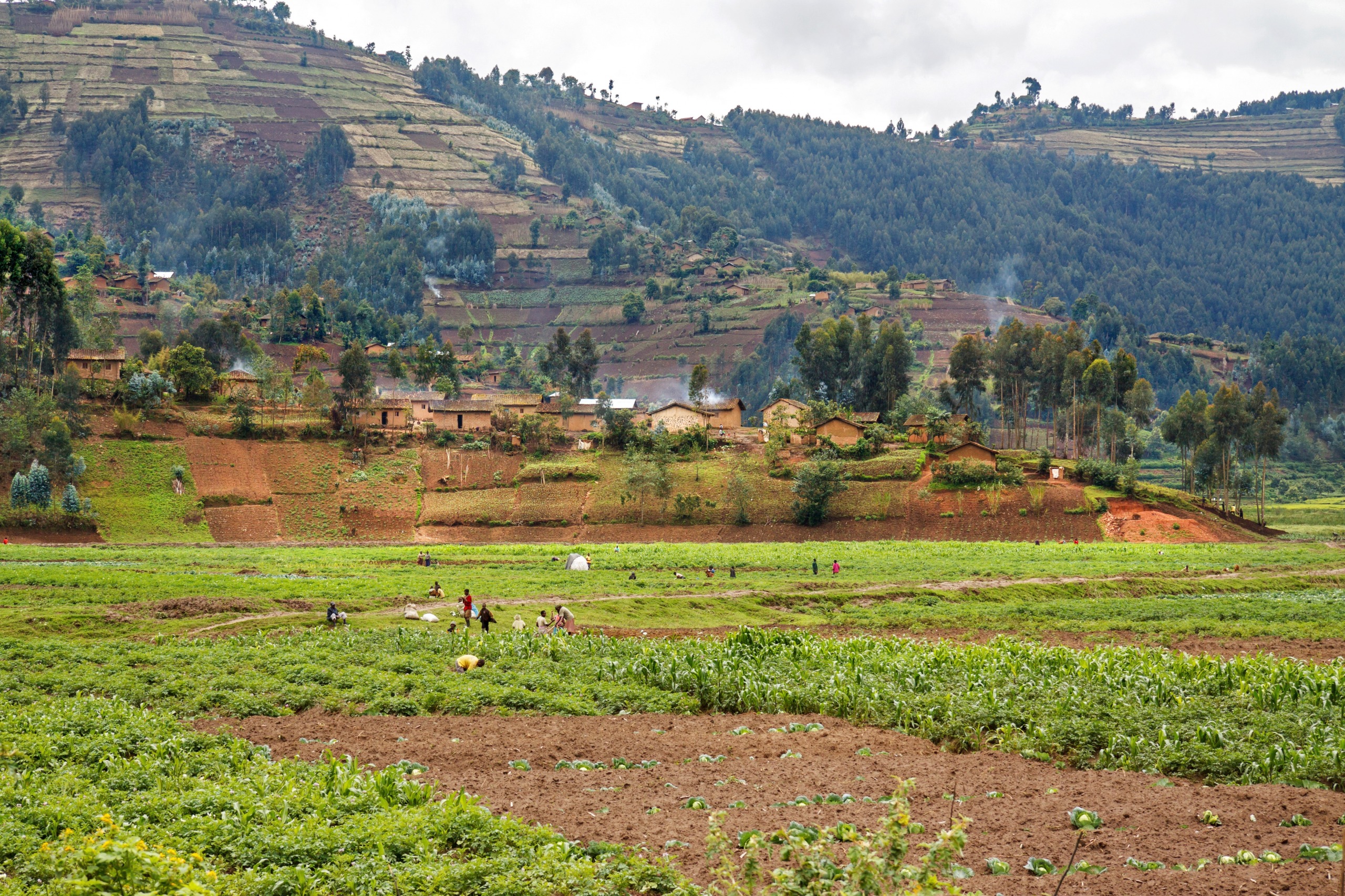
The village is presented as a row of identical houses arranged along a track, surrounded by agricultural plots. The visit is organized around several moments:
- A meeting with residents, often a pair of survivor and former perpetrator who tells their story and how cohabitation came about.
- A visit to common spaces: fields cultivated collectively, livestock buildings, meeting place.
- A presentation of community savings groups and shared agricultural projects, which structure the village's economy.
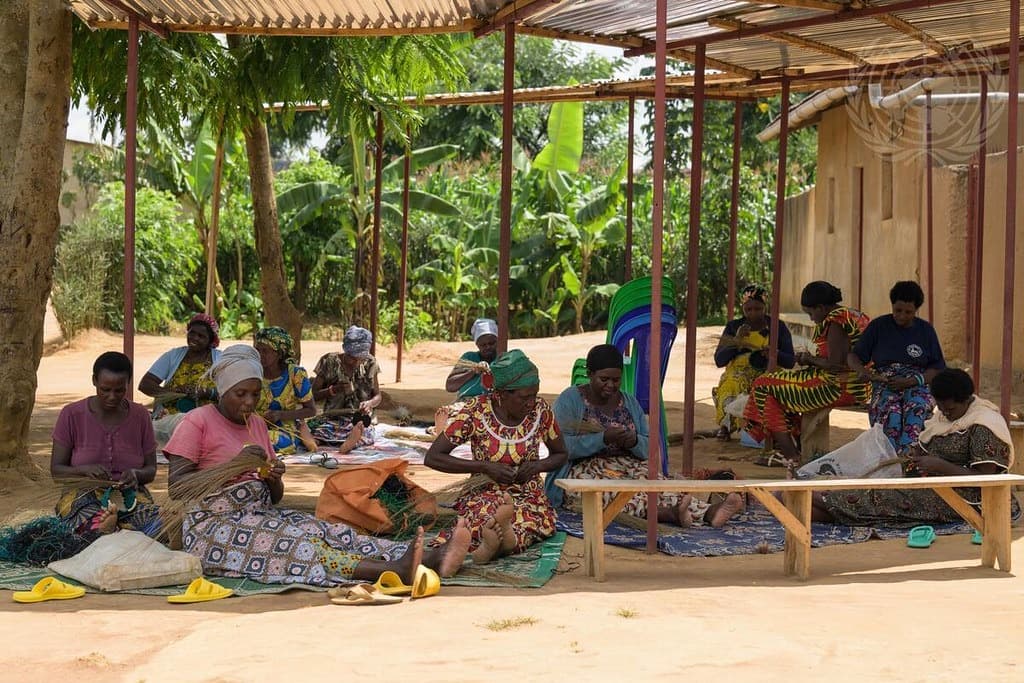
- Depending on the time of visit, demonstrations of crafts (basketry, pottery) or traditional dance.
The tone remains sober. Testimonies are sometimes harsh; residents have chosen to speak, but it is not a performance. During the anniversary period of the genocide, in April, tensions are revived and the visit can take on a heavier tone.
Practical information
- Duration of visit: allow 2 to 3 hours on site, excluding travel time.
- Fee: the visit entails a contribution given to the community, to be arranged in advance with the organizer. It is customary to add a tip for the interpreter and guide.
- Language: residents speak Kinyarwanda. An English-speaking interpreter is essential and provided by the organizer.
- Etiquette: neat attire, no photographs without asking, do not press a witness who wishes to stop. Children should be prepared for the subject beforehand.
- Booking: the visit cannot be improvised. It necessarily goes through a local NGO, a specialized tour operator, or Prison Fellowship Rwanda.
How to get there
Mbyo is approximately 40 to 50 km south of Kigali, in Bugesera district. Allow 1 to 1.5 hours of driving depending on traffic conditions.
By private car or taxi
This is the simplest option. Rental car with driver or private taxi negotiated by the journey from Kigali, round trip with waiting time on site. The road to Nyamata is paved; the final kilometers to the village are on a track.
By public transport
From Nyabugogo bus station in Kigali, buses regularly serve Nyamata, the capital of Bugesera district. From Nyamata, you then need to travel 15 to 20 km by motorcycle taxi or shared taxi to reach Mbyo. This option is economical but requires time and some resourcefulness.
Via an NGO or operator
Some charitable organizations or agencies specializing in memorial tourism organize visits including transport, interpreter, and contribution to the village. This is the simplest formula for a first contact, and the one that best guarantees respect for the ethical framework.
Things to combine nearby
Mbyo is logically visited as a continuation of other memorial or discovery sites in Rwanda:
- The memorial churches of Nyamata and Ntarama, in the immediate vicinity, among the most striking sites related to the genocide.
- The Kigali Genocide Memorial, to visit before Mbyo for context.
- The Ethnographic Museum in Huye, to understand Rwandan culture beyond recent history.
- The Ihema lake and Akagera park, for a nature break after a memorial stage.
Frequently asked questions
Frequently asked questions
Include Mbyo in your trip
A visit to Mbyo naturally fits into an itinerary of a few days around Kigali, combining memorial sites, meetings, and nature. To build a coherent stay, consult our travels in Rwanda and their possible stages.
Interested in this visit?
We can include it in your personalised itinerary.