Language and Culture in Rwanda
From Kigali to remote villages, every word tells a story and each language reflects a precious cultural heritage. In Rwanda, linguistic diversity stands as one of the country's greatest treasures.
From Kigali to remote villages, every word tells a story and each language reflects a precious cultural heritage. In Rwanda, linguistic diversity stands as one of the country's greatest treasures. Traditions and beliefs are passed down through generations while adapting to the challenges of our modern world.
The Rwandan linguistic landscape
Kinyarwanda as national and identity language
Kinyarwanda embodies Rwandan identity. With over 11 million speakers, this Bantu language stands out for its richness and depth.
In countryside and cities alike, families continue to pass it on. Its distinctive feature lies in its tonal system: a word like "ejo" can mean "yesterday" or "tomorrow," depending on how it is pronounced.
English
The adoption of English has profoundly transformed Rwandan society. In Kigali, most commercial signs are in English. Young people favour this language for their studies and careers.
This language has also become essential in the business world. International companies establishing themselves in Rwanda primarily seek English-speaking talent. Many private schools now offer entirely English-language programmes to meet labour market demands.
Swahili as the fourth official language
Swahili's adoption in 2017 marked a major turning point in Rwanda's integration into East Africa. Spoken by over 100 million people across the region, this language facilitates trade exchanges with neighbouring countries.
In Kigali, Swahili is increasingly present, especially in commercial districts where Tanzanian and Kenyan merchants are numerous. Rwandan schools are beginning to integrate Swahili into their curricula to prepare young people for this important language.
Rwandan ethnic diversity
The three ethnic groups
Rwandan society is composed of three main groups: the Hutus, representing 85% of the population; the Tutsis, approximately 14%; and the Twas, roughly 1%. These groups share the same traditions, practise the same rites, and celebrate important life events together.
A shared culture
Rwandan culture is lived through common practices. At traditional weddings, families gather without distinction of origin. Dances such as Intore or Umushayayo accompany these moments.
Traditional skills like basketweaving and pottery are passed down from generation to generation. The preparation of igisafuria also brings communities together. This is a dish made with beans and plantain bananas.
Tales and legends are part of shared culture. In the evenings, households recount stories of King Lyangombe or the hero Sebgugugu.
Living cultural traditions
The art of dance and music
Traditional Rwandan music divides into two main categories: Imbyino, which accompanies dance, and Indirimbo, meant for listening. These arts are often present at ceremonies such as weddings or harvest festivals.
Among the most well-known dances, Amaraba showcases feminine movements. Intore, for its part, displays the strength of male dancers. Drums rhythm each gesture with precision.
In the north of the country, Umudiho stands out for its vigorous dance. Dancers wear blonde manes and wield spears and shields.
Traditional craftsmanship
Rwandan basketweaving is a traditional craft in which artisans carefully weave plant fibres such as sisal or banana leaves. They create baskets with intricate geometric patterns.
Pottery is also a pillar of Rwandan cultural heritage. Over the centuries, potters have modernised their methods while continuing to produce objects that are both functional and finely decorated.
In the south-east of the country, the art of Imigongo is characterised by an original technique: a mixture of ash and cow dung is used to create mural works with striking reliefs.
Oral literature and storytelling
Rwandan storytellers preserve and transmit a rich heritage through their narratives. They adapt their stories according to their audience: educational tales for children, initiation stories for adolescents, and moral fables for adults.
Characters from these narratives are memorable, such as Samadari, a cunning hero, and Nyamurwa, a wise female figure. These stories unfold in a world populated by talking animals and supernatural creatures.
Fireside vigils, still very much alive in rural areas, transform these tales into genuine spectacles. Gestures, songs, and audience participation enrich the performances. For example, at weddings, certain tales celebrate the union of families while transmitting values to newlyweds.
Modern everyday life in Rwanda
Contemporary social practices
Rwandan society is evolving rapidly in its modes of socialisation. In Kigali, cafés and restaurants have become meeting places for a connected urban youth. Social networks also play a key role in maintaining family and friendship bonds.
Coworking spaces are changing how professionals interact. These places facilitate exchanges between local entrepreneurs and expatriates. Moreover, mixed sports clubs in residential neighbourhoods help strengthen social cohesion.
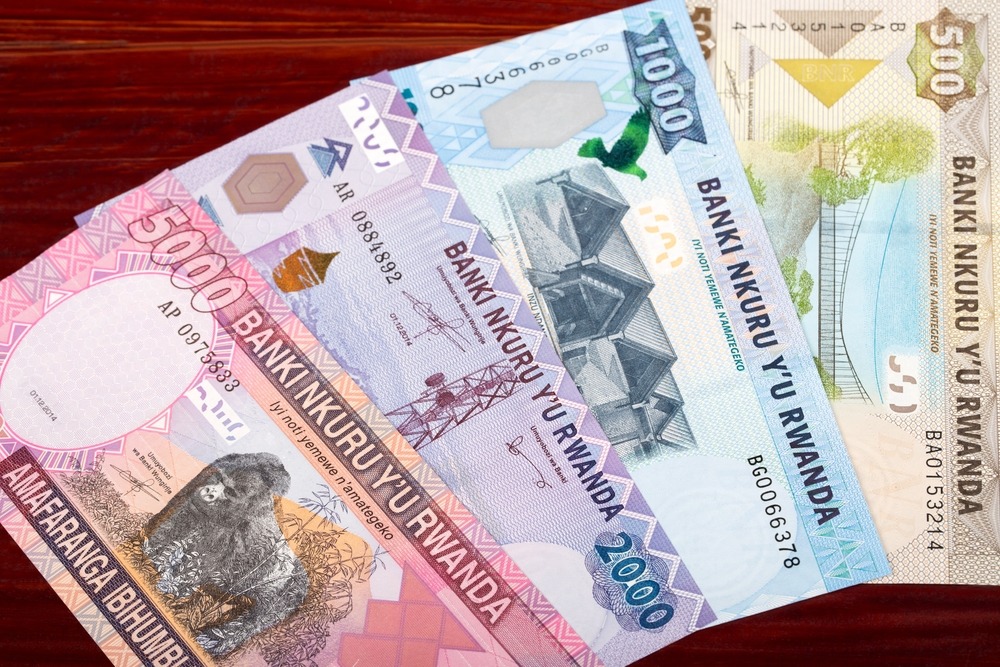
The digitalisation of banking services is also modifying daily habits. Mobile payment, widely adopted, streamlines transactions and promotes financial mutual aid among close ones.
Local gastronomy
Rwandan cuisine is simple and full of flavour. Dishes are based on tubers, legumes, and grilled meats. Matoke, prepared with mashed plantain bananas, often accompanies spicy stews.
Marinated in fresh garlic and ginger, goat skewers are highly prized at family meals. Isombe, a blend of cassava leaves and aubergines, brings a vegetable touch to meals.
Urwagwa, a fermented beverage made from ripe bananas, accompanies festive meals. In Kigali, chefs are revisiting traditional recipes like igisafuliya, a chicken stew with seasonal vegetables.
Festivals and celebrations
Each year, Kwita Izina transforms northern Rwanda into a place of celebration. During this time, local communities and visitors from around the world gather to name baby gorillas in a festive atmosphere.
In September, Kigali comes alive with the Hobe Rwanda Festival. For two days, musicians, dancers, and contemporary artists perform in dynamic shows.
FESPAD is a pan-African dance festival that successfully blends traditional and contemporary dance. Troupes from across the continent come to share their art in an explosion of colours and rhythms.