Electricity and Power Outlets in Rwanda
Electricity is a cornerstone of a country's economic and social development. Rwanda has made significant strides in this area over recent decades. Whether you're a visitor, expatriate, or investor, understanding how electricity works in this East African nation and the standards for power outlets is essential for living or working there.
Electricity is a cornerstone of a country's economic and social development. Rwanda has made significant strides in this area over recent decades. Whether you're a visitor, expatriate, or investor, understanding how electricity works in this East African nation and the standards for power outlets is essential for living or working there.
General Characteristics of Electricity in Rwanda
Rwanda is a country committed to achieving universal energy access for its residents. Access to electricity remains a crucial concern. According to the most recent data (March 2024), approximately three-quarters of Rwandan households have access to electricity, either through the national grid or off-grid solutions such as solar panels. Through Rwanda Energy Groupe (REG), the national electricity company, the Rwandan government manages the production, distribution, and regulation of energy.
Sources of Electricity in Rwanda
Electricity production in Rwanda relies on a mix of renewable and non-renewable sources. The main sources include:
- Hydroelectricity: It accounts for approximately 50% of energy production. With its numerous lakes and rivers, the country has significant potential in this area.
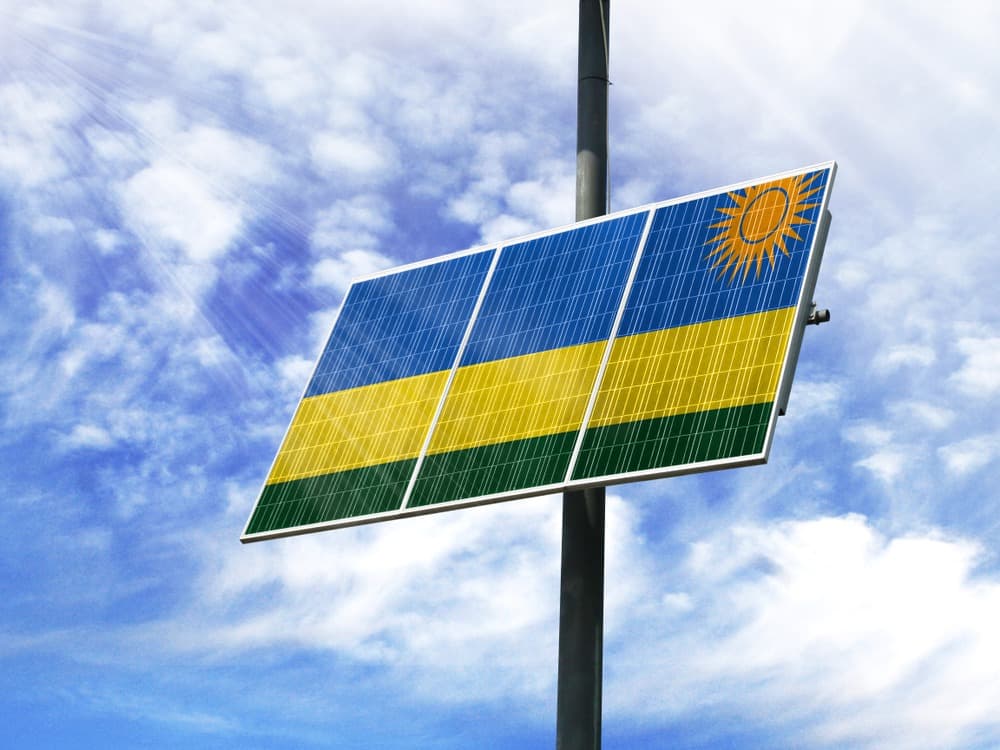
- Solar energy: With abundant sunshine, solar energy is gaining popularity, particularly in rural areas. Domestic solar system initiatives enable households not connected to the grid to access a reliable energy source.
- Methane: Lake Kivu, located in the western part of the country, is a unique source of methane, used to generate electricity.
- Fossil fuels: Although marginal, fossil fuels such as coal, gas, or fuel oil complement the national energy mix.
Rwanda is positioning itself as a leader in sustainable energy transition across Africa.
Power Outlet Standards and Electrical Voltage
One of the practical questions for visitors concerns the standards for power outlets in Rwanda:
- Voltage: The country uses a standard voltage of 230 volts, with a frequency of 50 Hz.
- Outlet types: The outlets used are type C and J. Type C outlets are equipped with two round pins (2.5 A and between 220–240 V). Type J outlets, less common, resemble type C but include a third pin for grounding (10 A and between 220–240 V).
- Adapters: For those traveling from a country using type A, B, D, E, F, or G outlets, a travel adapter will be necessary.
In Rwanda, your electronic devices will function without issue if your country's standard voltage is between 220 V and 240 V. Conversely, for countries where voltage ranges between 100 V and 127 V, a voltage converter is essential. Without this equipment, your devices risk being damaged.
Billing and Electricity Costs
The cost of electricity in Rwanda is relatively high compared to other countries in the region, which can be a concern for households and businesses. Billing is based on a prepayment system called Cash Power. Users purchase electricity units according to their needs via a PIN code they enter into their meter. The rate varies depending on consumption, with progressive costs to encourage responsible energy use.
Challenges and Future Perspectives
Despite impressive progress, several challenges persist, such as:
- Limited rural access: Although energy coverage is improving, many rural areas still rely on kerosene lamps or small-scale solar solutions.
- Network reliability: Power outages, though less frequent than in the past, remain an issue in certain regions.
Nevertheless, Rwanda's electricity sector is undergoing full transformation. To address these challenges, the government has set ambitious goals, including achieving universal electricity coverage by 2030. Collaboration with international partners, private investors, and NGOs is accelerating this process. The country is also focusing on renewable energy and regional integration to ensure reliable and affordable electricity supply.
Practical Tips
For those planning to visit Rwanda and settle there, here are some practical tips regarding electricity:
- Bring suitable equipment: Check whether your electronic devices are compatible with 230-volt voltage. If not, you should equip yourself with a transformer.
- Bring backup batteries: Power outages are rare but possible, especially outside Kigali. An external battery or generator can be useful.
- Use solar systems: If you plan to live in a rural area, consider installing solar panels.