Akagera National Park
Akagera National Park
Rwanda's only savanna park, Akagera is home to the Big Five, 530 bird species and a network of lakes, 2-3 hours from Kigali.
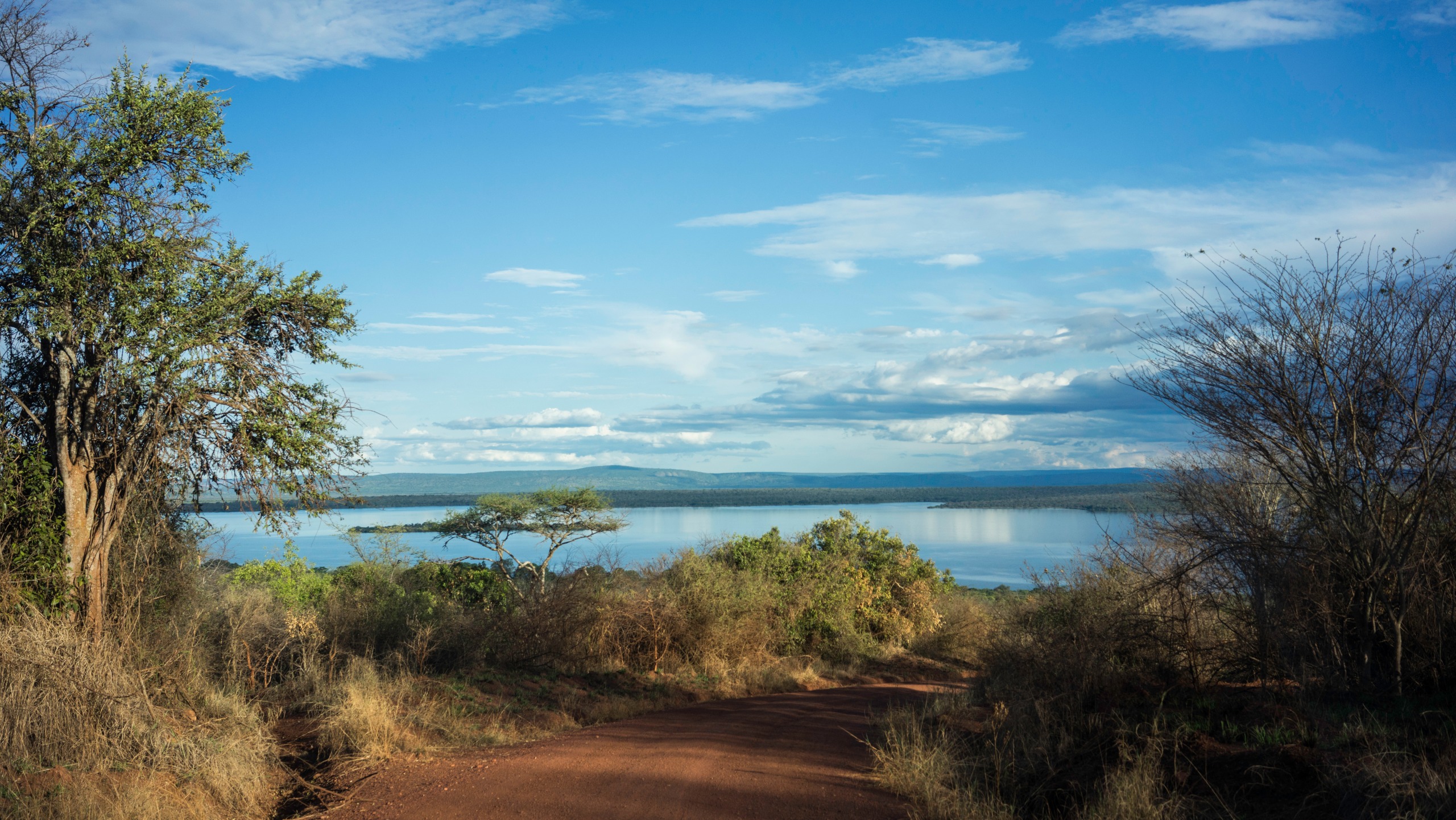
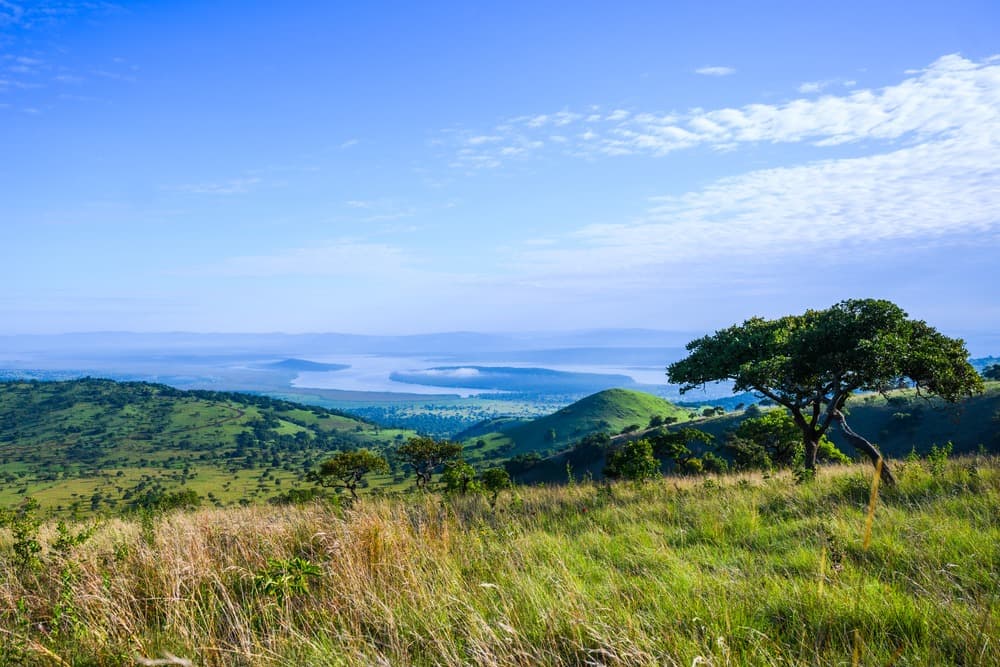
Akagera National Park stretches along Rwanda's eastern border, adjacent to Tanzania. Spanning approximately 1,122 km², it combines acacia savannas, hills, papyrus marshes and a chain of lakes fed by the Akagera River, which gives the park its name. Today, it is the only area in the country where you can observe the Big Five, 2-3 hours' drive from Kigali.
Why visit Akagera
Akagera brings together three rare advantages for Rwanda: complete savanna wildlife, dense birdlife (530 species recorded) and a management model considered a reference in East Africa since the partnership between Rwanda Development Board and African Parks. The park logically complements an itinerary centered on gorillas or national memory, bringing a classic safari dimension without leaving Rwandan territory.
The experience remains intimate: visitor flows are significantly lower than those of neighboring Kenyan or Tanzanian parks, resulting in often solitary wildlife encounters on the trails.
Park history
The park was established in 1934 by the Belgian colonial government, with an initial area of 2,500 km². Several introductions mark its history: black rhinoceroses from Tanzania in 1957, then Masai giraffes from Kenya in 1986. A population of African wild dogs, once well-established, disappears locally in 1984 following an epidemic.
The Rwandan Civil War (1990-1994) and the Tutsi genocide (April-July 1994) disrupt the park. Wildlife displacement toward Tanzania, poaching and the disappearance of lions accompany this period. In 1997, nearly half the park's area is converted to agricultural land to resettle returning refugees, reducing the park to approximately 1,122 km².
The turning point comes in 2010, with co-management by Rwanda Development Board and African Parks. Lions are reintroduced in 2015, black rhinoceroses in 2017, followed by a transfer of white rhinoceroses in 2021. Poaching pressure has significantly decreased through the deployment of GPS tracking, drones, helicopters and canine units, though vigilance remains constant.
What to see and do
The Big Five and large fauna
Akagera is home to all five: lion, elephant, rhinoceros (black and white), leopard and buffalo. These are joined by hippopotamuses, Nile crocodiles, Masai giraffes, zebras, spotted hyenas and several antelope species (impalas, topis, elands, kob). Among primates, blue monkeys, vervets and olive baboons can be observed along wooded areas.
A premier birdwatching destination
With 530 bird species recorded, the park ranks among East Africa's major ornithological sites. Flagship species include the crowned crane, Rwanda's national bird, the shoebill, the three-banded plover and the black-headed gonolek. Wetland areas also host Palearctic migrants in season.
Lakes and savanna
About a dozen lakes dot the park. Lake Ihema, the largest, serves as a base for boat excursions, ideal for observing hippopotamuses, crocodiles and waterfowl. Lake Shakani is open for sport fishing by prior reservation. Between the lakes, acacia savanna and bushland offer classic game drive scenery.
Safari types
- Game drive: daytime 4x4 safari on main and secondary trails.
- Sunrise drive: departure before dawn, the most active wildlife window.
- Sunset drive: late afternoon excursion with warm light and renewed animal activity.
- Night drive: nocturnal exploration with a park guide, dedicated to nocturnal species and predators.
When to visit
Akagera can be visited year-round. The two dry seasons (June to September, then December to February) are most favorable for wildlife viewing: vegetation is lower, fauna concentrates around water points and trails remain passable. Rainy seasons (March-May and October-November) offer greener landscapes, better birdwatching activity with migrants, but sometimes more challenging road conditions.
Practical information
Park entry is paid, with a differentiated fee structure according to visitor status (foreigner, resident, Rwandan national, East African citizen). Official rates and hours are published by African Parks and may change; best to verify before departure.
A professional guide is highly recommended for self-guided game drives and mandatory for night drives. Plan for at least a full day for a meaningful visit, two to three days to explore the northern zones (open savanna, lions, rhinoceroses) and southern zones (lakes, hippopotamuses). Accommodation ranges from camping to lodges, inside and around the park.
Pack neutral clothing, sun protection, insect repellent and binoculars. A 4x4 vehicle is advisable, particularly after rains.
How to get there
From Kigali, access is via the RN3 national road heading east, passing through Rwamagana, Kayonza, Kabarondo and Nyakarambi before reaching the southern entrance, the park's main access point. Plan 2 to 3 hours' drive depending on conditions.
Several agencies in Kigali offer transfers or organized tours for one to several days, including 4x4 vehicle, guide and activities on site. For time-pressed travelers, an airstrip near park headquarters allows arrival by charter flight from Kigali.
Nearby combinations
Before or after safari, several stops allow you to extend your stay:
- Kigali Genocide Memorial: essential step to understand the country's recent history.
- Mbyo, village of reconciliation: encounter with a post-genocide community project.
- Lake Kivu: landscape contrast with Rwanda's western shores.
Frequently asked questions
Frequently asked questions
Prepare your trip
Akagera naturally fits into an itinerary combining gorillas, lakes and Rwanda's memory. To build a custom itinerary, check our Rwanda trips.
Interested in this visit?
We can include it in your personalised itinerary.